Decentralized AMM for token swaps and yield farming - Check out Pancakeswap Dex - Start swapping tokens and earning rewards today.

Dubai Escorts Industry Thrives Amid Rising Tourist Influx: A New Era for Escort Services in Dubai

Dubai continues to break records, both as a leisure hotspot and a destination for luxury experiences. This week, industry insiders reported an unprecedented surge in the demand for Dubai escorts, highlighting the city’s growing status as the hub for elite companionship. According to experts, leading Dubai escort agencies are expanding their offerings, ensuring that discerning visitors have access to world-class Dubai call girls and bespoke escort service Dubai experiences like never before.

Emergence of Premium Dubai Escort Agencies: Meeting International Standards

With tourism figures soaring, the Dubai escort agency sector is stepping up to meet the needs of an increasingly sophisticated clientele. Agencies emphasize professionalism, discretion, and the utmost quality in their Dubai call girls, tailoring services to match the cosmopolitan nature of their customers. The shift towards premium, highly personalized services is driven by both international demand and a local commitment to impeccable hospitality.

Industry observers note that Dubai escort agencies now offer multilingual, well-educated companions, ensuring visitors receive exceptional service that reflects the city’s renowned standards. Many Dubai escort agency representatives are also collaborating with luxury hotels and event organizers, integrating escort Dubai offerings into the broader hospitality network. This synergy is evidence of how the city’s escort sector is adapting to a new wave of high-profile clients and evolving expectations.

Dubai Call Girls: Redefining Luxury and Nightlife in the Emirates

Dubai call girls are not only at the heart of the city’s dynamic nightlife but also play an increasingly significant role in corporate hospitality. With the rise of international conferences and exhibitions, bookings for Dubai escorts have soared as global executives blend business with pleasure. These professionals understand the subtle nuances demanded in such settings, bringing poise, charm, and cultural awareness to exclusive gatherings in Dubai.

Furthermore, the availability of top-tier Dubai escorts has been recognized as a boost for Dubai’s premium tourism sector. From high-profile parties to private yacht events, these companions contribute to the city’s allure as an international luxury playground. Industry reports suggest that the most sought-after Dubai escorts are those who balance glamour with discretion, offering unique experiences perfectly aligned with Dubai’s luxury branding.

Escorts in Dubai: Market Growth and the Role of Technology

The digital transformation within the escorts in Dubai market has been pivotal. Online booking platforms now empower clients to connect with reputable Dubai escort agencies quickly and securely, improving convenience, privacy, and trust. Escorts in Dubai benefit from sophisticated online profiles, allowing clients to make informed choices and access detailed information about available services and companions.

Innovative features such as live chat, instant booking verification, and customer feedback systems have set the standard for the modern Dubai escort agency. This embrace of technology not only streamlines operations but also enhances safety and satisfaction for both clients and escorts. As a result, expert analysts predict sustained growth for the Dubai escort and escort service Dubai sector in the coming years, especially as digital adoption broadens market reach.

Expert Opinions: The Evolution of Escort Service Dubai

Veteran hospitality executives observe that the Dubai escort sector’s professionalism distinguishes it from other global markets. Stringent standards, comprehensive vetting processes, and continuous staff training ensure each escort Dubai experience meets the city’s high expectations. Beyond conventional services, escort service Dubai providers now offer niche experiences, such as adventure companionship, cultural tours, and personalized travel assistance, further enriching visitor experiences.

For individuals seeking memorable experiences in Dubai, partnering with a reputable Dubai escort agency is considered essential. These agencies guarantee reliability and confidentiality, attributes especially valued by high-profile guests and international travelers.

When considering the evolving legal, economic, and social frameworks, resources such as https://www.centralbank.ae/en/news-and-publications/news-and-insights/ provide up-to-date regulatory insights relevant to the sector.

Why Choose a Dedicated Escort Dubai Agency?

The competitive landscape means only the best-equipped Dubai escort agencies can thrive. Whether clients seek Dubai call girls for elite gatherings or personal relaxation, agencies like https://dubai-stars.com/ stand out for their curated services and personalized approach. Leading providers invest in ongoing training and use advanced technology to guarantee safe and seamless interactions, upholding Dubai’s commitment to guest safety and satisfaction.

Alongside standard bookings, high-end escort service Dubai companies now offer exclusive arrangements tailored to extended stays, business conferences, and VIP events. This flexibility is key to accommodating the city’s ever-diversifying clientele. Transparent pricing, straightforward contracts, and responsive customer service facilitate a worry-free experience for both new and returning visitors.

Responsible Enjoyment: Navigating the Legal and Cultural Landscape

Engaging with Dubai escorts necessitates an understanding of the city’s unique legal and cultural context. Reputable agencies guide clients through the process, ensuring all interactions respect local laws and etiquette. This approach has been instrumental in building global confidence in Dubai’s escorts in Dubai market. Travelers are advised to conduct their own research and monitor regulatory developments, including updates available at https://onemileatatime.com/news/amex-bilt-chase-suspend-emirates-skywards-points-transfers/ for broader hospitality and travel news.

Ultimately, the growing demand for escort Dubai services underscores the city’s allure as a center of innovation, luxury, and cosmopolitan connection. By choosing a trusted Dubai escort agency, visitors can enjoy a wide spectrum of premium companionship experiences, all within a framework of professionalism, safety, and respect for Dubai’s vibrant, multicultural community.
Mit: “Logowanie do bankowości firmowej to tylko wygodniejsza wersja konta osobistego” — rzeczywistość i mechanizmy iPKO Biznes

To przekonanie jest powszechne: przedsiębiorca myśli o internetowym dostępie do rachunku jak o „tym samym” co do iPKO dla klienta indywidualnego, tylko z większą liczbą opcji. To uproszczenie zaciera kluczowe mechanizmy, ograniczenia i konsekwencje bezpieczeństwa. W przypadku iPKO Biznes różnice są systemowe — od modelu uprawnień przez autoryzację transakcji aż po integracje z systemami zewnętrznymi — i to one decydują o użyteczności platformy dla małej firmy versus dużej korporacji.

W tym tekście przeanalizuję, jak działa logowanie i autoryzacja w iPKO Biznes, które elementy są istotne dla firm z Polski, gdzie system się sprawdza, a gdzie napotyka granice. Pokażę praktyczne heurystyki podejmowania decyzji przy wdrożeniu, oraz co warto obserwować w najbliższym czasie, mając na uwadze ostatnio ogłoszone prace techniczne.

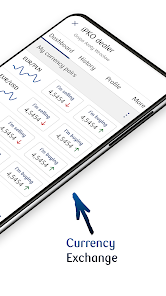
Interfejs logowania iPKO Biznes — przykład ekranów mobilnych i elementów bezpieczeństwa, użyteczny do porównania ograniczeń funkcjonalnych między aplikacją a serwisem internetowym

Jak naprawdę działa logowanie i pierwsze kroki w iPKO Biznes

Pierwsze logowanie w iPKO Biznes zaczyna się od identyfikatora klienta i hasła startowego. Mechanizm, który następuje dalej, nie jest tylko kosmetyczną procedurą: użytkownik wymusza ustawienie własnego hasła (8–16 znaków, bez polskich liter) oraz wybór obrazka bezpieczeństwa — prosty, lecz skuteczny antyphishingowy sygnał widoczny przy każdym logowaniu. Ten obrazek to przykład mechaniki prewencyjnej: jeżeli go nie widzimy, powinniśmy podejrzewać stronę lub sesję.

Drugim filarem autoryzacji jest dwuetapowość. Logowanie i zlecanie transakcji wymaga potwierdzenia przez powiadomienie push w aplikacji lub kody z tokena (mobilnego bądź sprzętowego). Ten model ogranicza skuteczność klasycznych ataków phishingowych, ale nie eliminuje ryzyk związanych z kompromitacją urządzenia mobilnego albo socjotechniką wobec operatorów tokenów.

Uprawnienia, limity i granice — narzędzie zarządzania, nie magia

iPKO Biznes daje administratorowi firmowemu szerokie możliwości: definiowanie limitów transakcyjnych, schematów akceptacji przelewów oraz blokowania dostępu z konkretnych adresów IP. Mechanizm ten jest mocnym argumentem za centralnym zarządzaniem uprawnieniami w firmach: zamiast ufać hasłom, projektujemy procesy (kto, do jakiej kwoty, w jakim układzie akceptuje płatność).

Równocześnie istnieją ważne ograniczenia: mobilna aplikacja domyślnie ogranicza pojedyncze limity do 100 000 PLN, podczas gdy serwis internetowy obsługuje do 10 000 000 PLN. To nie jest błąd — to świadoma separacja ryzyka i użyteczności. Dla firmy oznacza to: proste, szybkie operacje z poziomu telefonu, duże przelewy i prace administracyjne — z poziomu serwisu webowego. Dla księgowości i działu finansowego to sygnał do przemyślenia procedur autoryzacji i ewentualnej segregacji ról.

Integracje i gdzie system się łamie: API, ERP i sektor MSP

Dla korporacji iPKO Biznes oferuje interfejs API pozwalający na integrację z systemami ERP i automatyzację obiegu finansowo-księgowego. To mechanizm redukujący błędy ręczne i przyspieszający przepływy. Jednak w praktyce nie każdy klient MSP otrzyma pełen dostęp do tych narzędzi — pewne zaawansowane moduły i złożone raportowanie są dedykowane dla większych firm. To istotne ograniczenie: małe przedsiębiorstwo, które chciałoby całkowicie zautomatyzować rozliczenia, może napotkać barierę komercyjną lub techniczną.

Gdzie to się może „psuć”? Najczęstsze punkty tarcia to: brak standardu integracji po stronie małego dostawcy oprogramowania, koszty adaptacji API oraz bezpieczeństwo wymiany danych. Jeśli planujesz integrację, warto z mapą wymagań technicznych i planem rollback — mechanizmem przywracania poprzedniego stanu, gdy synchronizacja zaprzestanie działać.

Biała lista VAT i automatyczna weryfikacja — praktyczny mechanizm zapobiegania ryzyku

Jednym z istotnych elementów dla polskich firm jest integracja z krajowymi systemami podatkowymi: iPKO Biznes automatycznie weryfikuje rachunki kontrahentów względem białej listy podatników VAT. Mechanizm ten zmniejsza ryzyko zapłacenia na niewłaściwy rachunek i upraszcza procedurę compliance. Jednak ważne ograniczenie: automatyczna weryfikacja polega na stanie rejestrów — jeśli dane kontrahenta są nieaktualne lub dochodzi do błędu w rejestrze, system może dać fałszywe poczucie bezpieczeństwa.

Heurystyka dla praktyków: traktuj automatyczną weryfikację jako silne narzędzie pierwszego rzędu, ale utrzymuj wewnętrzne procedury podwójnej kontroli przy dużych lub nietypowych płatnościach (np. zmiana danych dostawcy, przejęcie konta itp.).

Bezpieczeństwo behawioralne: co to robi i gdzie zawodzi

iPKO Biznes wykorzystuje analizę behawioralną — tempo pisania, ruchy myszką, parametry urządzenia, adres IP — jako część oceny sesji. Mechanizm ten zwiększa odporność na typowe ataki, bo anonimowy skrypt nie będzie „wyglądał” jak normalny użytkownik. To przykład adaptacyjnego bezpieczeństwa: system zmienia wymogi autoryzacyjne w zależności od ryzyka sesji.

Granica skuteczności: takie zabezpieczenia działają dobrze przeciw przodującym automatom, ale są mniej skuteczne przeciw bardziej wyrafinowanym atakom, które mogą próbować naśladować zachowanie lub korzystać z przejętych, „czystych” urządzeń. Warto więc łączyć zachowania z silnymi, dwuetapowymi metodami autoryzacji i bezpiecznymi procedurami kadrowymi (np. rotacja tokenów, szkolenia).

Codzienna operacyjność i sytuacje wyjątkowe — co musi wiedzieć każdy użytkownik

Praktyczny scenariusz: księgowa chcąca wykonać pilny duży przelew w nocy. Jeśli próbuje to zrobić przez aplikację mobilną, napotka limit 100 000 PLN — i proces utknie. Jeśli planuje takie sytuacje, trzeba z wyprzedzeniem skonfigurować odpowiednie uprawnienia w serwisie webowym albo przygotować schemat akceptacji, który umożliwi szybką eskalację. To przykład, jak techniczny limit przekłada się na biznesowe procedury.

Inny przykład — zaplanowane prace techniczne: niedawno ogłoszono prace serwisowe, które mogą uniemożliwić dostęp w wybranym oknie nocnym. To przypomnienie, że systemy bankowe mają okna konserwacji i że decyzje o płynności powinny brać to pod uwagę. Heurystyka: zaplanuj krytyczne płatności z zapasem czasu i miej alternatywny kanał komunikacji z bankiem.

Jak podejmować decyzję: sześć-punktowa heurystyka wyboru trybu pracy w iPKO Biznes

1) Zmapuj transakcje — jaka jest najczęstsza kwota i jak często są duże przelewy? Jeśli dużo powyżej 100 000 PLN, uwzględnij konieczność pracy na webie.

2) Zdefiniuj role i limity — przypisz uprawnienia według zasady najmniejszych uprawnień; ustal schemat akceptacji dla wyjątków.

3) Przemyśl integracje — jeśli potrzebujesz ERP–bank API, zweryfikuj dostępność modułów dla Twojego segmentu (MSP vs korporacja) i koszty wdrożenia.

4) Testuj scenariusze awaryjne — regularne próby logowania, autoryzacji i odzyskiwania dostępu ujawnią słabe punkty procedur.

5) Edukuj personel — phishing i socjotechnika to wciąż główne ryzyka; obrazek bezpieczeństwa i praktyka działania przy push wymagają szkoleń.

6) Monitoruj komunikaty techniczne banku — prace planowe wpływają na płynność; uwzględniaj je w harmonogramie krytycznych płatności.

FAQ — Najczęściej zadawane pytania

Jak mogę się bezpiecznie zalogować do iPKO Biznes z zagranicy?

Mechanizm logowania jest taki sam, ale system może analizować adres IP i parametry urządzenia. Jeśli łączysz się z innego kraju, przygotuj dodatkowe potwierdzenia tożsamości (token, aplikacja) i zgłoś planowaną aktywność do administratora firmy, by uniknąć automatycznych blokad. Pamiętaj też o oficjalnych adresach logowania (np. ipkobiznes.pl dla klientów w Polsce).

Czy aplikacja mobilna wystarczy do obsługi dużej firmy?

Aplikacja jest wygodna i wspiera podstawowe funkcje (rachunki, BLIK, kantor), ale ma domyślny limit 100 000 PLN i brak pełnych funkcji administracyjnych. Dla dużych firm lub przy dużych kwotach wymagane będzie korzystanie z serwisu webowego oraz ewentualnie integracja API.

Co zrobić, jeśli obrazek bezpieczeństwa nie pojawia się przy logowaniu?

To poważny sygnał. Przed kontynuacją sprawdź dokładny adres strony, użyj zapamiętanych linków (unikaj linków z maili), a jeśli coś nadal budzi wątpliwości — przerwij i skontaktuj się z bankiem. Obrazek pełni funkcję antyphishingową i jego brak zwiększa ryzyko oszustwa.

Jak działa automatyczna weryfikacja na białej liście VAT i kiedy nie ufać wynikowi?

System porównuje rachunek kontrahenta z rejestrem podatników VAT; mechanizm redukuje ryzyko wpłaty na niewłaściwy rachunek. Nie ufać jej bezkrytycznie w sytuacjach zmian właściciela konta, błędów rejestru lub przy nietypowych transakcjach — w takich przypadkach stosuj dodatkowe potwierdzenia kontrahenta.

Na zakończenie: iPKO Biznes to nie „większe iPKO”, to system z osobną logiką bezpieczeństwa, uprawnień i integracji. Zrozumienie mechanizmów — limity mobilne, zarządzanie rolami, behawioralna analiza i weryfikacja VAT — pozwala zaprojektować procesy, które wykorzystają moc systemu i jednocześnie ograniczą jego granice. Dla decydenta biznesowego praktyczna reguła brzmi: projektuj procedury wokół ograniczeń technicznych, nie odwrotnie.

Jeżeli chcesz sprawdzić konkretne strony logowania lub przygotować dokument wewnętrzny z procedurami dla zespołu, przydatne materiały znajdziesz tu: ipko biznes.

Konto firmowe w Santander: praktyczny przewodnik do bankowości online dla przedsiębiorcy

No dobra. Zaczynamy od rzeczy prostej: konto firmowe dziś to nie tylko książeczka, to sposób na zarządzanie firmą. Hmm… brzmi oczywiście, ale wiele rzeczy w praktyce jest bardziej zawiłych niż deklaracje reklamowe.

Moje pierwsze wrażenie po pracy z kilkoma klientami było jedno — ludzie chcą prostoty. Seriously? Tak. Chcą szybkiego przelewu, jasnych opłat i pewności, że logowanie nie skończy się dramatem przy drugim kroku weryfikacji. Na szczęście Santander ma rozbudowaną ofertę dla firm, w tym narzędzia do bankowości elektronicznej, które warto poznać. Początkowo myślałem, że wszystko działa intuicyjnie, ale potem zauważyłem kilka pułapek i koniecznych ustawień, o których często się zapomina.

Kto powinien czytać dalej? Małe firmy, freelancerzy, spółki z o.o., właściciele jednoosobowych działalności gospodarczych — krótko: każdy, kto chce mieć porządek w finansach i nie marnować czasu na bankowe zagadki.

Klawisze klawiatury i ekran logowania bankowości online

Dlaczego konto firmowe online ma sens (i kiedy nie jest najlepszym wyborem)

Największe korzyści są oczywiste: wygoda, szybkość, automatyzacja księgowa. No i dostęp z każdego miejsca. Ale… nie wszystko złoto co się świeci. Jeśli twoja firma potrzebuje częstych wpłat gotówkowych albo specjalnych usług transakcyjnych, trzeba porównać oferty banków dokładnie.

Z doświadczenia: konto online sprawdza się świetnie przy fakturach, subskrypcjach i masowych przelewach. Jednak przy rozliczeniach międzynarodowych z nietypowymi walutami warto dopytać o prowizje i czas realizacji.

Jak zacząć w Santander — krok po kroku (praktyczne wskazówki)

Pierwsza rzecz: wybierz odpowiedni pakiet konta firmowego. Santander ma kilka planów, od podstawowych po bardziej rozbudowane z dodatkowymi usługami. Przyjrzyj się limitom darmowych przelewów i opłatom za kartę firmową.

Rejestracja online zwykle wygląda tak: wypełniasz wniosek, podpisujesz umowę z kurierem albo podpisem elektronicznym i aktywujesz konto. Jednak—uważaj na dane uzupełniane w pośpiechu, bo błędne NIP czy REGON potrafią opóźnić wszystko. Myślę, że to jest najczęstszy powód frustracji.

Jeśli chcesz szybko sprawdzić stronę logowania do systemu biznesowego, użyteczne może być ibiznes24 logowanie — link, który często podają przy instrukcjach, choć pamiętaj, by zawsze weryfikować adres strony banku i certyfikat bezpieczeństwa w przeglądarce.

Bezpieczeństwo — nie negocjuj tego

Kilka praktycznych zasad:

  • Hasła silne i unikalne — nie używaj jednego hasła do wielu usług.
  • Włącz uwierzytelnianie dwuskładnikowe (2FA) — SMSy są ok, ale aplikacje autoryzujące są lepsze.
  • Uważaj na linki w mailach i SMS — phishing to nadal najczęstsza metoda.
  • Aktualizuj oprogramowanie bankowości mobilnej — łatka bezpieczeństwa bywa kluczowa.

Moja intuicja mówiła mi od początku, że największy błąd to bagatelizowanie powiadomień o podejrzanej aktywności. Początkowo myślałem, że to fałszywy alarm, ale potem zrozumiałem, że szybka reakcja może uratować firmę przed stratą. Także — reaguj szybko.

Funkcje bankowości online, które warto znać

Systemy dla firm w Santander oferują zwykle:

  • Przelewy jednorazowe i hurtowe (np. masowe przelewy dla ZUS/US).
  • Integracja z oprogramowaniem księgowym — ogromna oszczędność czasu.
  • Możliwość nadawania uprawnień pracownikom — podział obowiązków finansowych.
  • Wielowalutowość i zarządzanie kartami firmowymi.
  • Raporty płatności, przypomnienia, eksport danych do Excel/CSV.

Niektóre funkcje bywają ukryte: automatyczne reguły księgowe, harmonogramy płatności, czy możliwość ustawienia autoryzacji transakcji przez dwóch pracowników. Te rzeczy ratują dzień, gdy masz 50 faktur do opłacenia.

Koszty — co zwykle warto sprawdzić

Opłaty to nie tylko miesięczna prowizja. Sprawdź:

  • Prowizje od przelewów krajowych i zagranicznych,
  • koszty obsługi kart płatniczych i wypłat z bankomatów,
  • opłaty za przelewy ekspresowe (real-time),
  • opłaty za dodatkowe autoryzacje i nadawanie uprawnień.

Często banki mają promocje — np. pierwsze 12 miesięcy bez opłat — ale po promocji cena może zmienić się znacząco. Zwróć uwagę na warunki po zakończeniu promocji, bo to tam czai się niespodzianka.

Typowe problemy i jak je rozwiązać

Problem: Nie mogę się zalogować — często to prosty błąd hasła albo zablokowane konto po kilku nieudanych próbach. Rozwiązanie: użyj opcji resetu lub zadzwoń na infolinię.

Problem: Przelew nie zrealizowany w terminie — powód: zła data waluty, limit dzienny lub błąd w danych odbiorcy. Rozwiązanie: sprawdź szczegóły przelewu i skontaktuj się z bankiem.

Problem: Długie oczekiwanie na pomoc — bywa frustrujące. Mój prosty tip: miej przygotowane ID firmy i numer klienta przed dzwonieniem, to skróci czas obsługi.

FAQ — najczęściej zadawane pytania

1. Czy mogę założyć konto firmowe całkowicie online?

Tak, w większości przypadków można. Niemniej niektóre formy działalności lub specyficzne warunki mogą wymagać wizyty kuriera lub złożenia dodatkowych dokumentów.

2. Jak długo trwa aktywacja konta?

Od kilku godzin do kilku dni, zależnie od metody weryfikacji i kompletności dokumentów. Jeśli wszystko jest poprawnie wypełnione, to zwykle szybciej.

3. Czy bankowość mobilna jest bezpieczna?

Tak, pod warunkiem stosowania podstawowych zasad bezpieczeństwa: aktualizacje, silne hasła, 2FA i ostrożność wobec nieznanych linków.

Na koniec — mała dygresja (oh, i by the way…) — wybór banku to nie wyrok na całe życie. Możesz zmienić konto firmowe, przenieść i porównać, ale rób to z głową, zwracając uwagę na koszty administracyjne i czas migracji. Jestem trochę uprzedzony do nadmiernej biurokracji, więc jeśli możesz automatyzować rachunki i faktury — rób to od razu.

Powodzenia z Twoim kontem firmowym. Jeśli chcesz, mogę pomóc uporządkować listę pytań do banku przed otwarciem konta — nie ma sprawy, napiszę to z przyjemnością.

Balancing Act: Asset Allocation, Stable Pools, and veBAL — A Practical Guide for DeFi Builders

Whoa! I remember the first time I tried to size a custom liquidity pool—my gut said keep it simple. Really? Yes. My instinct said: favor stable assets for yield stability, but my head kept whispering about impermanent loss and long-term governance incentives. Here’s the thing. Balancer’s model forces you to reconcile those instincts with tokenomics that reward lockups and active strategy choices, and that tension is where the interesting decisions live.

Okay, so check this out—asset allocation in custom pools isn’t just picking tokens and slapping them together. You need to think about correlation, volatility, and trading volume. Medium volatility pairs behave differently than stable-stable pairs, obviously. On one hand, volatile pairs can earn more in fees. On the other hand, they expose LPs to more impermanent loss over time.

Initially I thought you could optimize for both fee income and low IL easily, but then I saw real pool histories and got humbled. Actually, wait—let me rephrase that: I underestimated how much trade flow pattern matters. If traders are routing large trades through your pool, that changes everything about expected returns. So you design not only for static allocation but for expected routing behavior and slippage sensitivity.

Here’s my practical split for many setups: stable-stable pools for yield farmers who want low volatility and predictable returns, mixed pools (stable + volatile) for balanced exposure, and concentrated or multi-token pools for active strategies. Hmm… that sounds tidy, but it’s rarely tidy in practice. Liquidity depth, fee tier, and token weighting all interact in non-linear ways, so you need to iterate and monitor.

Something felt off about one-size-fits-all advice. Most guides say “use stable pools for yield” like it’s gospel. I’m biased, but that part bugs me. The real nuance comes when you layer in veBAL tokenomics, which tilt incentives toward long-term liquidity and governance participation. That tilt changes how you should allocate assets and design fee structures.

A schematic showing stable pool vs mixed pool behavior under trade pressure

Stable Pools: Why they matter and how to size them

Stable pools are the bedrock of many DeFi strategies because they offer low slippage for trades between pegged assets, and they attract steady swap volume. They’re great for capturing arbitrage and route fees when stablecoins dominate on-chain activity. My approach is to size stable pools to absorb expected routing volume without leaving too much idle capital. On the other hand, you don’t want to over-capitalize a pool that never gets routed through—capital efficiency matters. If your pool is too shallow, even modest trades will suffer, and LP returns will be volatile and unattractive.

For many US-based traders and protocols, USDC/USDT pools remain primary liquidity sinks. But watch out: regulatory and protocol-level changes can shift that landscape quickly. Something to keep in mind: stable pools with dynamic weights can better handle sudden demand shifts, though they add management complexity. (Oh, and by the way…) balance your gas strategy with fee tiers; sometimes a slightly higher fee reduces churn and helps long-term LPs.

My instinct said “split evenly,” but actual pool success often comes from tailoring weights. For example, a 70/30 weight might favor the more trusted stablecoin to reduce slippage for the majority of trades, while a 50/50 pool might be more fair to arbitrageurs. On some chains, you’ll want to set higher fees to discourage front-running sandwich attacks, though that can reduce swap volume. Trade-offs are everywhere.

Mixing Volatile Assets: Opportunities and dangers

Volatile asset pools can be lucrative, but they demand vigilance. Fee income can be large, but IL compounds during price divergence. I learned this the hard way during a sideways market where fees couldn’t offset repeated rebalancing loss. Seriously? Yes—fees are not a guaranteed hedge. Consider concentrated liquidity or asymmetrical weights to control exposure levels. Long, careful monitoring and automated rebalancing rules are allies here.

Design patterns I recommend: limit token count to reduce correlational complexity, set conservative weight changes, and consider using derivative or wrapped positions to cushion volatility. On the other hand, novel token listings sometimes create short-term surges that make higher-risk pools attractive—if you can exit quickly and safely. My tradecraft usually includes watchlists, and sometimes I add a little somethin’ extra liquidity during anticipated events.

One more practical point: routing incentives matter. If your pool is unlikely to be in the cheapest route, it will not see volume, no matter how well designed. That means thinking beyond just pair design—consider cross-pool arbitrage paths and fee parity with comparable pools. If trades bypass you, your asset allocation theory never gets tested.

veBAL Tokenomics: Aligning incentives for the long run

veBAL is a governance and ve(locked) incentive model that rewards users who lock BAL for governance power and boosted rewards. It nudges LPs toward time-preference alignment—longer locks equal more reward. On one hand, that’s elegant social game theory. On the other hand, it reduces liquidity flexibility for individual participants, which changes pool behavior. Initially I thought ve models only affected token holders, but the second-order effects hit LP design hard.

Locking BAL can significantly increase effective APR for LPs in rewarded pools, which in turn attracts deeper, more stable liquidity. But beware: if a large portion of liquidity is locked behind ve incentives, sudden policy changes in governance can create concentrated systemic risks. I’m not 100% sure how this will play out in the long tail of DeFi, but it’s a material consideration when architecting pools and external incentives.

From the builder’s perspective, you can use veBAL-aligned rewards to encourage desired behaviors—like providing liquidity to stable pools or maintaining balanced weights. That gives you leverage to engineer better outcomes. Just make sure your incentive schedule aligns with expected trade cycles, and avoid perverse incentives that reward short-term concentration of capital.

Putting it together: a pragmatic checklist

Start with your target user and routing expectations. Next, choose asset mix and weights that match expected trade flow. Then layer fee tiers and governance incentives like veBAL to nudge behavior. Monitor on-chain metrics and be ready to tweak in response to actual routing patterns. Oh, and keep a plan for exit liquidity and emergency governance votes…

Also: diversify across pool types rather than over-allocating to one strategy. Consider creating paired pools—one stable-focused, one mixed—to capture different trader segments. My rule of thumb is to model three scenarios: low, medium, and high volume, then stress-test for slippage and IL. If your worst-case still looks survivable, you’re probably in a reasonable spot.

For a deeper look at Balancer’s current features and how they embed these incentives, check this resource here. It’ll give you grounded details on pool customization, fee parameters, and veBAL mechanics as implemented. Use it as a starting point, not a blueprint—protocols change fast.

FAQ

How should I split capital between stable and volatile pools?

There’s no universal answer. A conservative DeFi LP might allocate 60–80% to stable pools and the remainder to higher-fee volatile pools. Active strategies can flip that, but only with automated risk controls. Consider your time horizon, need for withdrawal flexibility, and whether veBAL-style incentives favor your chosen pools.

Does locking BAL for veBAL always make sense?

Locking increases governance power and can boost rewards, but it reduces liquidity flexibility. If you expect governance to steer rewards toward your pools and you can tolerate lock durations, it’s worthwhile. If you need nimbleness or worry about governance risk, stay cautious. I’m biased toward alignment, but I also keep some BAL free for opportunistic moves.

Why Phantom Wallet Extension Is the Easiest Way to Hold Solana and NFTs

I remember the first time I tried to move an NFT on Solana — my palms sweaty, a dozen tabs open, and that tiny worry: did I pick the right wallet? The short answer: if you want simplicity without sacrificing features, the phantom wallet extension is where most folks land. Seriously — it just feels like the browser-native piece that finally understands how people actually use crypto, not how academic papers think they should.

Okay, quick reality check. Phantom is a browser extension wallet built for Solana. It handles tokens, NFTs, staking, swaps, and connects to dApps with a click. For many users, that means fewer mistakes, faster approvals, and a more intuitive flow when buying or showing off NFTs. But like anything, it has trade-offs. We’ll walk through the good, the quirks, and practical tips so you don’t learn the hard way.

First impressions matter. Phantom’s UI is clean and friendly, which removes friction when you’re trying to sign a transaction quickly — say during a mint drop or when flipping a rare NFT. That ease is why artists, collectors, and traders gravitate toward it. Still, user experience alone doesn’t make a wallet trustworthy; the underlying design choices and security practices do.

Phantom wallet extension interface showing NFT collection preview

What Phantom Does Well

Phantom nails the basics: secure local private key storage, seed phrase backup, and straightforward dApp connections. If you’re used to Metamask on Ethereum, the mental model maps over nicely but optimized for Solana’s speed and low fees. My favorite part? The NFT gallery. It renders artwork quickly, gives metadata context, and generally makes collections feel personal instead of just a raw token list.

Transactions are fast. Fees are tiny. And when you authorize a site to connect, Phantom shows clear permission prompts — which cuts down on accidental approvals. That matters. A single careless click can be costly, and the extension’s prompts nudge you to pause. I’m biased, sure — I use it daily — but the UX decisions consistently reduce the dumb mistakes people make.

Security: What You Should Know

Phantom stores your private keys locally, encrypted by your wallet password. That means the extension itself doesn’t hold your funds. Good. But local storage also means your machine’s security matters: a compromised device equals compromised keys. So use a hardware wallet for serious holdings whenever possible.

Also — and this can’t be overstated — always verify the URL of dApps you connect to. Phishing clones are common. If a mint page asks you to connect and sign something unusual, pause. Check the contract address, cross-reference Twitter/Discord, and consider a tiny test transaction first. It sounds tedious, I know, but that pause has saved me from sketchy contracts more than once.

Installing and Getting Started

Download the extension for Chrome, Brave, or other Chromium-based browsers, then create a new wallet or import an existing seed phrase. During setup, write down the seed phrase on paper, store it in a safe place, and never share it. Phantom will ask you to confirm the phrase — that’s normal. After setup, you can send SOL, receive tokens, and browse NFT collections right away.

If you want to minimize risk, consider using a hardware wallet like a Ledger in tandem with Phantom. That way, the extension still manages the UX while the private key signing happens on a separate device. It’s a slightly more cumbersome flow but worth it for high-value collections.

Using Phantom for NFTs

Phantom’s NFT gallery groups your collectibles and supports many common metadata standards. You can inspect token metadata, view creators, and open links back to the original mint page. For collectors, that contextual detail helps when verifying provenance. Oh, and when flipping NFTs or participating in drops, enable notifications and keep the extension up-to-date — updates often patch UX annoyances and security fixes.

One practical tip: when minting, keep a small reserve of SOL for unexpected fees or retries. Minting interfaces sometimes reroute transactions, and having that tiny cushion avoids failed transactions at crucial moments. Also, if something looks off — like a prompt to approve unlimited token transfers — decline and investigate. Phantom will show the approval scope; check it closely.

Common Issues and Fixes

Sometimes the extension fails to connect. Usually that’s due to a cached state or a conflicting extension. Try locking and unlocking the wallet first. Then refresh the dApp page. If that doesn’t help, restart the browser. Clearing cache is a last resort. If metadata doesn’t load for NFTs, it could be an IPFS gateway hiccup — try another gateway or wait a few minutes.

And yes, recovery is manual: if you lose your seed phrase or device, the only recovery method is that seed phrase. No one can restore your account for you. Phantom can’t. So backup diligently.

Where Phantom Fits in Your Toolkit

Use Phantom as your go-to browser wallet for daily Solana interactions — browsing marketplaces, quick swaps, or interacting with social dApps. For larger, long-term holdings, pair Phantom with a hardware wallet. For experimenting, set up a secondary Phantom wallet with low funds so you don’t risk your main stash while testing new dApps.

If you haven’t installed it yet and want a straightforward place to start, try the official phantom wallet extension download page — it’s the easiest route to the extension and setup guidance: phantom wallet extension.

FAQ

Is Phantom free to use?

Yes. Creating and using a Phantom wallet is free. You do, however, pay Solana network fees for transactions, which are generally very low.

Can I recover my wallet if I lose my device?

Only with your seed phrase. Phantom cannot recover your wallet for you. Keep the phrase written and stored securely offline.

Is Phantom safe for NFTs?

It’s suitable for everyday NFT use, but for high-value assets, use it alongside a hardware wallet. Always verify dApp URLs and approval scopes before signing transactions.

Why Verifying Smart Contracts on BNB Chain Actually Matters (and How I Check Them)

Whoa! I was poking around BNB Chain last night, curious about verification and user behavior. Initially I thought it was just a UX issue, but then realized many people don’t grasp what an unverified contract really means. My instinct said: verify before you interact with contracts. Honestly, I’m biased—I’ve spent too many evenings tracing txs and reading bytecode, so this part bugs me.

Seriously? Verification isn’t merely a checkbox for nerds; it’s a transparency layer that maps readable code to the deployed bytecode. On one hand it gives you direct evidence of intent. On the other hand, folks still paste addresses from chats and click without looking, and then funds disappear—it’s maddening. My gut said people rush and trust too fast.

Hmm… A quick checklist I run: open the transaction, inspect token transfers, then open the contract page to see if the source is verified. If verified, you can cross-check functions and constructor parameters against what’s happening in the tx logs. Initially I thought viewing tx history alone was enough, but actually you need to read logs and internal transactions too. If it’s not verified, treat the contract like a lockbox with a hole in it. Don’t assume anything—verify.

Okay, so check this out—start on the transaction details page and look for the contract address and the verification badge. That little green checkmark distinguishes human-readable Solidity from raw bytecode, which is practically useless for intent-checking. Then inspect the ‘BEP20 Token Transfers’ and internal transactions tabs to see real movement. Also glance at events; they often reveal actions the UI hides.

I’ll be honest, somethin’ bugs me about lazy verification practices. Many projects verify only after launch, or they flatten files strangely so verification looks green while hiding logic. Actually, wait—let me rephrase that: some teams publish flattened or modified files which can mask subtle, risky changes. Look for constructor args, linked libraries, and compiler version mismatches; those small details matter. If you see a mismatch, pause.

Screenshot of a transaction page showing a verified contract badge and token transfers

Practical walkthrough: using an explorer and what to look for

Practical steps that I use often. Open a transaction, check the ‘To’ field, click the contract address, and then look for the verification badge on the contract page. If you want a quick jump, go to the bscscan blockchain explorer to paste an address, read the source, and compare functions to the txs you’re analyzing. Watch for approve() calls, routers, and proxy patterns; those show where tokens can be moved or approvals siphoned. Seriously, don’t skip the bytecode vs source comparison if you can.

Whoa, proxies are a trap. When a contract uses an upgradeable proxy pattern, the logic often lives at a separate implementation address and verification can be split across contracts. Initially I thought proxies made audits unnecessary, but then realized proxies actually increase scrutiny needs because admin keys can change logic post-deploy. Check proxy admin calls and find the implementation address, then verify both pieces of code. If you can’t find an implementation, step back.

Here’s the thing. Large concentrated token holdings right after launch are classic rug-risk signals. On one hand, a locked liquidity pool suggests maturity; on the other hand, a huge owner balance combined with transfer restrictions is suspicious—though actually you need to inspect code for things like blacklist functions or transfer hooks. Look at holder distribution, vesting schedules (if present), and who controls the keys. Don’t assume liquidity equals safety.

Hmm… Events are the breadcrumbs smart contracts leave behind. Transfer and Approval logs are often the clearest trace of on-chain movement, so always decode event parameters when you can. I used to ignore internal transactions, but later found them essential for spotting stealthy movements through routers, wrappers, or staking contracts. Use the ‘Event Logs’ tab and check for indexed params to identify actors. Pay attention to approval amounts too, very very important.

Okay, a quick technical aside. Exact compiler versions and optimization settings matter for verification; even tiny mismatches cause a verification failure. Many devs flatten or tweak files to force a verification match, which can be legitimate but sometimes masks injected snippets or renamed functions. Prefer multi-file verification when supported and cross-check constructor bytecode against deployed init code. If somethin’ doesn’t line up, ask questions.

I’m biased toward manual checks. Automated scanners and bot reports are helpful, but they miss context and generate false alarms and misses. So I combine explorer checks with reading the project’s GitHub, checking tagged releases, and seeing whether the on-chain code matches repo snapshots—it’s tedious but it works. Community audits and verified third-party audits add credibility, though audit quality varies a lot. Don’t blindly trust an audit statement; read the scope.

Seriously? If you’re swapping a newly minted BEP20 token, do a tiny test swap first and watch approvals and slippage. On one hand you gain speed and convenience, though actually small tests let you observe approvals and token behavior without risking much. Use allowance revokes if an approval looks excessive, and consider a hardware wallet for larger amounts. Be cautious, always.

Whoa, here’s a reality check: education beats panic. At first I thought a single tutorial would fix things, but then realized habits take months to shift and explorers are only tools—powerful ones—that need user context. On one hand you can blame lazy devs, but on the other hand users must build checking habits; it’s a shared responsibility. So yeah, verify, read logs, and keep your guard up…

FAQ

How do I quickly verify a smart contract before interacting?

Here’s the quick method. Find the contract address from the transaction, open the contract tab, and check for a verified source badge. Compare the verified source to on-chain bytecode, check compiler version and optimization settings, and review constructor args and library links—those are the trust anchors. Also inspect token transfers, approvals, and holder concentration for non-code red flags. If somethin’ smells off, pause and ask the devs or the community.

Why Wallet Security Still Breaks My Heart (and How Cosmos Users Can Stop the Bleeding)

Whoa!

I’ve seen too many people lose funds to stuff that could’ve been avoided. My instinct said “protect keys first,” and that still holds. But here’s the thing: the Cosmos ecosystem adds twists — IBC flows, many chains, and staking mechanics that change risk profiles. When you combine cross-chain transfers with human error, somethin’ usually slips through the cracks, and that slip is expensive in both time and tokens.

Seriously?

Yes — really. Threats aren’t just hackers in hoodies; they are phishing links, malicious browser extensions, compromised devices, and poorly backed-up seed phrases. On one hand users want convenience for IBC swaps and staking; though actually, ease often means more exposure. Initially I thought cold storage alone was enough, but then realized that day-to-day operations (like claiming rewards and delegating) require a careful bridge between safety and usability.

Here’s the thing.

Start by mapping your own threat model. Are you storing validator rewards for long-term? Do you frequently move tokens between zones? How often do you access DApps? Answer those and you prioritize differently. A hobby staker and a multi-validator operator should not use the same security stance — no way.

Hmm…

Hot wallets are for convenience and quick IBC transfers; cold wallets are for custody and long-term holdings. Keep small operational balances hot, and put the vast majority in cold storage, ideally a hardware device you control. That’s simple in theory, though the devil is in details like firmware updates and secure recovery phrase handling.

Wow!

Hardware wallets (Ledger, and similar) are the baseline for secure signing because they keep private keys off your general-purpose device. But integration matters: the way a wallet app communicates with a hardware signer can create attack paths if the host environment is compromised. So you want a setup where the device authorizes every transaction, displays the destination and amount on its own screen, and refuses to sign if something looks off.

I’m biased, but good interfaces matter.

Using a dedicated Cosmos-friendly interface reduces mistakes when setting memo fields for staking or when initiating IBC transfers between zones. For many Cosmos users I’ve worked with, the keplr wallet acts as that interface — it lets you connect a hardware device for signing while keeping your keys offline on the Ledger, and it manages chain lists and IBC routes in a way that cuts down confusion. Initially I thought browser extensions were risky by default, but when paired with a hardware signer and cautious habits they can be a practical compromise for daily tasks.

Okay.

Private key hygiene: no photos of seed phrases, no plain text backups on cloud drives, and no copying your mnemonic into random websites ever. Use a metal backup or stamped plate for your seed words, store copies in geographically separate places if you can, and consider mnemonic passphrases (BIP39 passphrase) only if you truly understand the recovery implications — if you lose that passphrase, recovery is impossible. Also, double-check derivation paths when importing or restoring keys; different wallets sometimes use different paths and that mismatch is a common source of panic.

Heads up.

Staking introduces unique risks because of slashing and unbonding periods; delegating through a compromised interface can lock you into losses you can’t reverse. Make a policy: which validators you trust, how much to stake from hot balances, and when to re-delegate or withdraw. And remember that IBC transfers create more addresses and more metadata; verify destination chain IDs and channel info visually, don’t rely purely on auto-fill.

Notably…

Multisig setups and air-gapped signers are powerful for larger operations because they spread trust, but they add operational complexity that can break if not tested. Consider a multisig for treasury-level balances, and keep a well-documented (and rehearsed) recovery plan in case one signer is lost — the plan should include who has which device and how to rotate signers securely. I’m not 100% sure about every provider’s trade-offs, but in practice teams that rehearse their recovery avoid panic-driven mistakes.

Alright, one more practical run-down before I stop yammering…

Firmware updates are boring but critical; do them from official sources and verify checksums when possible. Use separate machines for large-value operations if you can afford it — a dedicated signing workstation that never browses the web is a luxury but a strong security step. Small checks, like confirming the transaction details on the hardware device screen, have saved funds in more than one ugly story I’ve heard. I’m biased toward proactive habits: less trusting, more verifying.

A hardware wallet connected next to a laptop showing a Cosmos transaction on screen

Checklist — Practical Steps You Can Do Today

Whoa!

1) Move most holdings to a hardware wallet and only keep operational balances in hot wallets. 2) Use a reputable Cosmos UI that supports hardware signing and chain management. 3) Back up your seed phrase on metal, not on a cloud photo. 4) Consider multisig for high-value accounts and rehearse recovery plans. 5) Always verify transaction details on the device screen before signing — no shortcuts. These five are simple but very very effective.

Common Questions

Can I use a single device for everything?

Yes, you can, but you probably shouldn’t if you’re holding meaningful value — single-device workflows are convenient yet single-point-of-failure. For casual amounts it’s fine, though for larger stakes split risk across cold storage and multisig arrangements. Also, keep one tested recovery process and document it outside any single device.

Is a browser extension safe for staking and IBC transactions?

Browser extensions can be safe when paired with a hardware signer and cautious habits, but they increase the attack surface compared to a fully air-gapped system. Use a trusted extension, keep your browser clean of unknown add-ons, and confirm every transaction on the hardware device; if anything looks off, abort. And yeah — updating and verifying the extension’s source is part of the routine.

How I Use BscScan to Actually Understand BSC Transactions (and How You Can Too)

Okay, so check this out—I’ve dug into BNB Chain explorers more than once. Whoa! At first it was messy and confusing, but then things started to click. My instinct said the data was there, but I needed rules to read it. Initially I thought every transaction was straightforward, but I learned to read between the lines instead.

Really? Token transfers are sometimes invisible. Medium-level wallets show simple transfers, but smart contracts hide a lot behind logs and internal calls. You have to peek into “Internal Txns” and event logs to understand what actually moved. On one hand the explorer gives raw facts, though actually you need interpretation to avoid being misled.

Here’s the thing. When you open a tx hash you get a wall of fields and hex. Hmm… My first impression was panic. Then I learned to hunt a few key markers: status, gasUsed, to/from, logs, and decoded inputs. Those five bits usually tell the tale, even when contracts obfuscate their behavior.

Whoa! Contract verification matters. If the contract is verified you can read its source and see functions, modifiers, and ownership checks. If it isn’t verified you must rely on events and interactions to infer intent, which is riskier. I’m biased, but verified contracts make me sleep better at night—way better.

Really? Watch out for token decimals. A transfer for “1000000000000000000” might be 1.0 token or 0.000000001, depending on decimals. Medium readers trip over this all the time. Check the token contract’s decimals in the contract page. Also check totalSupply and name to confirm you’re not looking at a dust token.

Whoa! Smart contracts can batch transfers and swap tokens in a single transaction. My instinct said “one transfer equals one payment”, but actually, wait—let me rephrase that: a tx can call a router, which calls pools, which then transfer dozens of tokens via nested calls. That complexity is where “Internal Txns” become essential, and you should get comfortable reading them.

Really? Approval flows matter more than you think. Approving a router for unlimited allowance is common, but risky when interacting with unknown contracts. On one hand it saves friction; though actually, if a malicious contract gets access it can drain balances. Pause before you approve pulverizing allowances—revoke when you’re done, or approve minimal amounts when possible.

Whoa! Gas isn’t just a fee. It also signals how complex a transaction is and whether the sender tried to front-run or manipulate an operation. Medium-savvy users watch gasUsed vs gasLimit to spot failed attempts or heavy on-chain logic. If gasUsed is low but tokens moved, that’s usually a simple transfer; when gas spikes, expect multi-step swaps or mint/burn sequences that deserve scrutiny.

Screenshot mockup of a BscScan transaction view highlighting logs and internal transactions

Practical steps I use every time (and why they work)

Here’s a short checklist that keeps me honest. Whoa! Step one: copy the tx hash and open it on BscScan. Step two: confirm Status is “Success” and then scan the Logs tab for Transfer events. Step three: check the “Contract” box to see if the code is verified—if not, tread carefully. You can also use the bscscan official site login to access watchlists and verification options when you’re logged in.

Really? Decoding inputs saves lives. Many interactions are approvals, swaps, or addLiquidity calls with recognizable signatures. Medium readers can look for function names in the decoded input area to quickly identify intent. On complex calls you might need to open the contract code to trace state changes, and that can be time consuming but rewarding if you care about security.

Whoa! Look up token holders. A token with a tiny developer wallet owning 90% of supply is risky. Medium attention to holder distribution helps spot honeypots and rug risks. If the top holders are exchanges or established liquidity pools, that’s a good sign. If one wallet bought a massive chunk right before launch, you might want to step back and ask questions.

Really? Watch for mint and burn functions. Some contracts can arbitrarily mint tokens to attacker addresses, and others can pause trading. Medium-savvy users search the contract for owner-only functions like mint, burn, or setFee. If those exist and ownership isn’t renounced, treat the token as high-risk—even if the telegram looks polished.

Whoa! Event logs are the truth serum. They show Transfer events and custom events with decoded arguments that reveal how funds flowed in a tx. Sometimes a contract emits misleading metadata, but events are hard evidence of state changes. On one project I followed, the events told a different story than the frontend did—very telling.

Really? Internal transactions often explain puzzling balances. A swap might send funds through multiple contracts before hitting the destination address, and the visible “to” may be a router, not the final recipient. Medium-level users check the internal call tree to reconstruct the path. If things still don’t add up, check the block explorers for neighboring txs and mempool chatter.

Whoa! Watch contract ownership and admin keys. My instinct said “ownership renounced equals safe”, but actually renouncing can also prevent future upgrades or emergency fixes. Initially I thought renounced ownership was an absolute good, but then realized it’s nuanced—on one hand it prevents rug pulls; on the other hand it prevents legitimate bug fixes.

Really? Multisigs and timelocks are comforting. Contracts governed by multisig wallets with public signers, or that include timelock mechanisms, are usually a higher trust profile. Medium-savvy investors check signatures in governance proposals and multisig histories to ensure the same wallets aren’t single points of failure. That kind of due diligence is not glamorous, but it prevents dumb mistakes.

Common traps and how to avoid them

Here’s what bugs me about casual token investors—many ignore on-chain nuance. Whoa! They rely on UI confirmations and don’t dig into txs. Medium readers who take five minutes to validate contract code and holder distributions avoid a lot of heartache. On the flip side, over-analyzing can freeze you; learning a few repeatable checks is the balance you want.

Really? Phishing and fake explorers exist. Always confirm domain names and bookmarks before logging in. If you ever need to log in to tools or check verification, use a trusted bookmark or this verified path: bscscan official site login. Small details matter—typosquatted sites can mimic interfaces convincingly.

Whoa! Token lockers and audited contracts help, but they aren’t perfect. Medium metrics like audit firm reputation, scope, and issued findings reveal the depth of checks performed. An audit without public findings isn’t the same as one with a full report. I’m not 100% sure audits catch everything, but they raise the bar; still, you should understand what was audited.

Really? Watch out for invisible taxes and transfer fees. Some tokens implement on-transfer fees that redirect a percentage to another address or to liquidity. Medium-level checks of transaction receipts and event logs reveal those flows. If every sell results in a smaller balance than the buy indicated, check for fee-on-transfer behavior before getting frustrated.

FAQ: Quick answers to the most common BscScan questions

How do I verify if a token is legitimate?

Start with contract verification, check holder distribution, read events for unexpected mints, and review any audits. Whoa! Also search the contract for owner-only functions. Medium diligence in these steps reduces the chance of scams.

What does “Internal Txns” show me?

Internal transactions reveal transfers triggered by contracts during a tx, not direct token transfers between EOA addresses. Really? They often explain where funds traveled when the visible “to” is a router or proxy. If you skip this, you miss a lot of the story.

Should I trust an unverified contract if everyone else is using it?

No. Popularity doesn’t equal safety. Medium popularity might indicate hype, but without verified code and transparent admin controls, you’re taking extra risk. I’m biased, but I’d rather miss a fast gain than lose capital to a hidden backdoor.

Why a Card-Based NFC Hardware Wallet Might Be the Best Pocket-Sized Crypto Backup

Wow! Crypto keys are small but the consequences of losing them are enormous. I was skeptical about card wallets at first, honestly. Initially I thought a phone app and a metal backup were enough, but then realized mobile devices fail, metal plates get lost, and human error is far more common than we like to admit. So here’s the thing—NFC-enabled crypto cards pack private keys into a tiny, durable, and offline form factor that fits a wallet or a pocket-sized case.

Seriously? They look like credit cards, yet they act like vaults. My first tangem wallet was a curiosity purchase from someone at a meetup; somethin’ about it stuck. That surprise moment—tapping the card to my phone and watching a secure wallet prompt appear—felt futuristic and oddly comforting in a way that software-only solutions rarely do. On one hand it felt theatrical; on the other hand it solved a real problem I wasn’t addressing properly with seed phrases stored on pieces of paper or in password managers.

Whoa! NFC cards combine two big benefits: air-gapped key storage and physical portability. They also force you to think about custody in a more tactile way. Initially I worried about single-point failures—what if the card is damaged, or if the NFC chip dies—and so I experimented with multiple cards, multisig setups, and redundant backups to test real-world reliability. Actually, wait—let me rephrase that: redundancy matters, though too many copies creates more attack surface if you don’t handle them smartly.

Here’s the thing. A lot of people assume “hardware wallet” means a dongle or a cold storage device you plug in. Card wallets flip that script by using a contactless interface, often with zero-exposure signing, which keeps keys from ever leaving the secure element. On the analytical side that means transactions can be authorized by the card independently while your phone acts only as a dumb relay, which reduces attack vectors and simplifies the UX for many users. My instincts about convenience had to be balanced against the cryptographic guarantees—so I dug into the specs, read whitepapers, and compared firmware update models across vendors.

Hmm… Not all cards are created equal. Some use secure elements certified to high standards, others rely on less-proven designs. If you’re buying a card for long-term custody, check for things like secure element certification, reproducible firmware updates, and a clear recovery story from the vendor, because those details determine whether your keys are safe over years or decades. What bugs me about the market is the marketing hype that glosses over these technical trade-offs while promising “bank-grade security” like it’s a badge rather than a complex guarantee.

Okay, so check this out— Tangem was one of the early movers and their story is useful context when you shop. I don’t want to sound like a salesperson, I’m biased, but I appreciate how their approach balances user experience with solid hardware design. It takes a lot to make key custody feel intuitive, and they focused on that without completely sacrificing security. Hands-on testing helped me see where the UX helped prevent mistakes and where it could lull users into complacency.

A slim NFC crypto card being tapped to a smartphone screen

How I evaluate card wallets before buying

I’ve tracked vendors for years, and if you want one clear starting point check the official pages for specs and recovery models at tangem wallet to compare how they document hardware and recovery procedures. Read the certs, and then go read community notes about firmware updates and customer support responsiveness—support is often the unsung security feature. Finally, test with tiny amounts before committing larger balances, because practice prevents expensive mistakes.

Really? There’s also the question of recovery flow. Some cards give you a recovery code or let you create copies, some integrate with multisignature, and others expect you to handle seed backups offline. On one hand multisig with multiple cards spreads risk and avoids single points of failure, though actually it introduces more operational complexity and cost which might scare casual users away if not well explained. Initially I thought multisig was overkill for small balances, but after running tabletop exercises and loss simulations I changed my mind for certain threat models.

Wow! Durability is real-world important. I’ve seen cards scratched, bent, left in a jacket, and still they worked. That resilience comes from industrial design choices—sealed chips, epoxy layers, and simple form factors that minimize mechanical failure modes while staying thin enough to slip into a wallet. But if you live near the beach or work in heavy industry, think about environmental factors like salt corrosion or heat, and plan backups accordingly.

Seriously? Privacy is another angle. Contactless wakes up nearby NFC readers, though most card wallets require deliberate tap-and-confirm actions so accidental leaking is unlikely. Despite that, I advise people to treat cards like any other sensitive device: separate them from your day-to-day tap cards, have a secure storage spot, and keep an inventory of serial numbers and backups in case you need to revoke or recover. I’m not 100% sure about every vendor’s privacy model, so validate assumptions and test in a low-risk environment before moving significant funds.

Okay. Cost matters too. Cards are often cheaper than full hardware wallets and can be produced at scale while still offering strong security properties. For a lot of users, that makes card wallets the best trade-off between cost, convenience, and custodial safety, especially when paired with good operational practices like using multisig and cold storage for large amounts. The final piece is ergonomics—you need a workflow you will actually follow for years, otherwise the best cryptography in the world won’t protect you if you forget how you stored your assets.

Here’s what I recommend. Start small and practice recovery. Buy one card, set it up with a small amount, then practice full recovery steps until the flow is muscle memory—this is very very important. On a strategic level, map your threat model: are you protecting against casual theft, targeted hacks, or catastrophic loss during natural disasters, because each scenario demands a different mix of redundancy, geographic separation, and recovery procedures. I’ll be honest—this part bugs me, because many users skip the planning and then scramble when things go sideways.

So? A card-based NFC hardware wallet isn’t magic, but it’s a pragmatic tool that makes strong security accessible. It reduces cognitive load, encourages physical custody practices, and can integrate into multisig setups that mirror institutional security at a consumer price point. If you are comfortable with a little operational discipline—secure storage, backups, and periodic checks—cards can be an elegant foundation for long-term crypto custody that doesn’t require being a developer or a sysadmin. There are trade-offs, there’s no silver bullet, and I’ll keep testing and refining my own setup as threats and technology evolve…

Frequently asked questions

Are NFC cards as secure as other hardware wallets?

They can be. Security hinges on the secure element and the vendor’s firmware and update model. For many users, a certified secure element and a careful operational procedure (backups, storage, redundancy) will be as protective as a dongle-based wallet, while offering better convenience.

What happens if the card is physically damaged?

That depends on your recovery plan. If you created a single backup or a multisig with another device, you can recover access; if not, the keys might be gone. Always test recovery before trusting a card with significant funds.

Should beginners use multisig?

Not immediately. Start with a single card, practice recovery, and once comfortable evaluate multisig for larger holdings. Multisig reduces single-point risks but adds complexity, so only adopt it when you can maintain the operational discipline required.

Why a beautiful, simple multi-currency wallet actually changes how you manage crypto

Wow! I remember the first time I opened a wallet that didn’t look like a spreadsheet. It felt like someone finally cared about the human side of crypto, not just the tech. Initially I thought design was a luxury, but then realized it directly affects security and behavior. On one hand a slick UI lowers barriers, though actually a bad UI can lull you into risky habits if you don’t pay attention.

Whoa! Design alone isn’t enough. A good wallet needs an integrated portfolio tracker and easy access to exchanges or swaps. Users want one place to see holdings across chains, not ten tabs and somethin’ messy. My instinct said focus on flow first and features second, and that proved true because people use what feels effortless. If you don’t like complexity you will abandon even the best tools.

Hmm… security first, but usability matters too. Wallets that make users copy seeds into plain text or encourage storing sensitive info on cloud drives are asking for trouble. I’m biased, but non-custodial control with strong UX is the sweet spot for most self-directed investors. That balance—privacy, control, clarity—lets users act faster without sacrificing safety, which is very very important for everyday use.

Seriously? Recovery flows often stink. I’ve tested wallets that make backups a multi-hour task, and that bugs me. Okay, so check this out—when onboarding is short and clear, more people complete backups correctly. That means fewer support tickets, fewer lost funds, and fewer “I lost my seed” heart attacks. The difference is subtle but decisive: people who finish onboarding are more likely to stick with the wallet long-term.

Hmm… about portfolio tracking, beware of noise. Many trackers pile on every metric imaginable, and you end up with dashboards that demand emotional labor. A clean tracker highlights allocations, realized/unrealized P&L, and recent inflows or swaps. Initially I wanted every chart, but then realized most users glance for two things: “How much am I up?” and “Where am I allocated?” So simplicity beats completeness for day-to-day usefulness.

Wow! Integrations matter a lot. Native swap services and bridge options remove friction when moving between tokens. A wallet that connects seamlessly to reputable on-chain swaps saves time and fees—if implemented well. But be careful: swap partners, liquidity, and slippage mechanics matter; a pretty button alone won’t protect you from a bad rate. I pay attention to which routing providers a wallet uses because that affects real cost.

Whoa! Cross-chain support is tricky. Supporting many chains is a great selling point, though actually it introduces complexity for security and UX. Wallets have to present the right network context clearly, otherwise users accidentally send tokens to incompatible addresses. I’m not 100% sure about every new chain’s quirks, but a wallet that warns users and explains the consequences is worth its weight in gold. Also, hardware wallet compatibility should be non-negotiable for larger balances.

Wow! Here’s a practical tip from my own messy early days: label your assets and set custom targets. It sounds trivial, but it helps you avoid panic sells during dips. I use labels like “long-term” and “spendable” so I don’t confuse short-term trading funds with holdings I plan to HODL. That little habit keeps decisions calmer and more aligned with goals, which is the whole point.

Screenshot mockup showing a simple multi-currency wallet dashboard with portfolio allocation and recent transactions

Where to start — a wallet that blends beauty with utility

If you want a wallet that nails onboarding, portfolio tracking, swaps, and multi-currency support without being a headache, try exploring options and read real user impressions first; one place many people land for a friendly, polished experience is https://sites.google.com/walletcryptoextension.com/exodus-wallet/, which combines an approachable UI with features beginners and experienced users appreciate. I’m not saying it’s perfect—no wallet is—but it’s an example of the design-forward approach that helps most users feel confident. Oh, and by the way, check for active support channels and clear recovery instructions before you move funds.

Whoa! Fees and custody models deserve a quick note. Custodial solutions can be simpler, though custodial means trade-offs in privacy and control. Non-custodial wallets put responsibility on the user, so educate yourself about seed safety and phishing tactics. Honestly, I prefer non-custodial for serious holdings, but for micro trading or testing new tokens a custodial exchange can be handy. On the other hand, repeatedly moving between types costs fees and time—so plan ahead.

Hmm… tax and reporting are state-of-mind factors. A wallet that exports clear transaction history saves you headaches at tax time. If your tracker categorizes swaps, airdrops, and income correctly you avoid surprises. Initially I ignored this and it cost me hours and a mild panic during filing season. Actually, wait—let me rephrase that—it cost me time and taught me to pick tools that export CSVs and tag transactions cleanly.

Wow! Community and trust signals are underrated. A lively user community, regular updates, and transparent changelogs say more than a flashy marketing splash. When something goes wrong you want a vendor who responds and patches quickly. My instinct said trust the team behind the app and their transparency, and that usually proved right because responsiveness correlates with long-term reliability.

Whoa! Mobile-first or desktop-first? Both have merit. Mobile wallets are great for daily checks and quick swaps, while desktop apps are nicer for heavy portfolio analysis or bulk exports. I switch between both depending on whether I’m on the subway or at my desk. Honestly, pick a wallet that syncs states across devices without leaking private keys—synced view only is fine, but avoid cloud-stored keys unless you’re comfortable with that custodian’s security model.

FAQ

How do I choose between a multi-currency wallet and multiple single-chain wallets?

Short answer: convenience vs compartmentalization. A multi-currency wallet centralizes view and swaps which is convenient. Multiple single-chain wallets can compartmentalize risk and reduce accidental cross-chain mistakes, though managing many apps adds overhead. If you want simplicity and a cohesive portfolio view choose a multi-currency wallet; if you prioritize separation and strict security controls consider using separate wallets for big holdings.

Is a built-in exchange in a wallet safe?

Built-in exchanges are safe in the sense that they route trades on-chain or via reputable aggregators, but they can vary in price and slippage. Always check rates, read reviews of the liquidity provider, and test small amounts first. I’ll be honest: sometimes the convenience cost is worth it, other times it isn’t. Your decision should follow how much you value speed over absolute best price.

What about backup and recovery best practices?

Write your seed phrase on paper and store it in two secure locations. Consider metal backups for long-term storage if funds are large. Don’t snapshot your seed or store it in cloud notes, and beware of QR backups that others can copy. Also, document and test recovery occasionally with small amounts—it’s a pain up front, but avoids a panic later.