
Decentralized AMM for token swaps and yield farming - Check out Pancakeswap Dex - Start swapping tokens and earning rewards today.

Why isolated margin and aggressive market making are reshaping derivatives on DEXs

Whoa!
Derivatives on decentralized exchanges have shifted from experimental playgrounds to serious infrastructure for pros.
Trading desks now expect deep liquidity, tight fees, and granular risk controls.
Initially I thought AMMs would never match CLOBs on derivatives, but then I watched implied spreads compress and liquidity layers stack—so actually, wait—there’s more nuance here than the old debates admit.
My instinct said watch for hidden funding costs, and that gut feeling proved useful when I started running tests on order flow fragmentation.

Really?
Yes—liquidity depth matters more than headline TVL.
A shallow pool with high nominal TVL is still dangerous when you try to push size.
On one hand, DEXs offer composability and noncustodial settlement; though actually, the tradeoff is execution complexity and often opaque funding mechanics that can eat returns.
Something felt off about one “cheap” venue—fees were low, but slippage and rebalancing drained P&L.

Here’s the thing.
Isolated margin changes the math for professional market makers.
With isolated margins you can ring-fence counterparty exposure per position, which lets capital be used more efficiently across many strategies.
This is critical for desks that run dozens of instruments concurrently, because it prevents a single volatile move on one contract from blowing up unrelated positions, and that containment shifts capital allocation decisions in real time.
I’ll be honest—I’m biased toward setups that make risk explicit, because hidden cross-margin exposure has torched pros before.

Hmm…
Operational costs are more than just fees.
Funding rate dynamics, or the way a contract rebalances to peg, create ongoing carry that affects MM profitability.
Initially I thought funding was symmetric noise; but then realized directional order flow and hedging frequency turn funding costs into a strategic lever you can optimize, especially when latency and oracle design are factored in.
This part bugs me because many platforms under-communicate how funding calculations change at scale.

Okay, so check this out—

High-frequency market making on a DEX needs predictable execution and access to deep passive liquidity.
Pro traders want tight spreads and the ability to size into hedges without tipping the book.
On centralized venues you often get that, but on-chain venues now offer comparable depth when liquidity is concentrated and incentives are aligned—though actually, achieving that alignment is tricky, because token incentives can decay and usable liquidity can evaporate suddenly.
I ran a few simulations and noticed the performance cliff happens when funding diverges from macro betas; somethin’ about correlated deleveraging does the rest…

Seriously?
Confusion around isolated margin setups often comes from UX and terminology.
“Isolated” should mean isolated risk—period.
But in practice, liquidation mechanics, slippage protection and oracle staleness create edge cases that matter to us.
My first impression was that a margin call would be obvious; it wasn’t.
I had to instrument on-chain events to see the true liquidation surface.

Whoa!
For market makers, the key variables are: spread capture, inventory risk, funding arbitrage, and capital efficiency.
You can tighten spreads if you have large, reliable liquidity and low settlement friction.
Yet market making strategies must also account for chain-specific latencies and MEV risk, which increases adverse selection.
On the other hand, noncustodial settlement reduces counterparty credit risk, and that benefit is often underpriced by firms still focused purely on execution performance metrics.

Hmm…
There’s an operational checklist I use before deploying capital.
First: run synthetic stress tests that simulate sudden 30-50% realized vol moves.
Second: verify oracle responsiveness and fallback behavior.
Third: model funding in forward scenarios, because funding can flip profit to loss when the market squeezes.
Actually, wait—let me rephrase that: third should be run scenario-based funding sensitivity, not just point estimates.

Really?
Yes.
And here’s a practical tip—if you’re a PM or head trader, demand isolated margin controls that permit per-position maintenance levels and customizable liquidation ramps.
Those knobs let you trade through turbulence without catastrophic cross-position cascades.
I’m not 100% sure every DEX will implement them quickly, but the smarter ones already expose those primitives to liquidity providers.

Check this out—

Order book heatmap reflecting concentrated liquidity and isolated margin regions

That image is the moment you realize depth isn’t uniform.
Concentrated liquidity bands behave like synthetic limit orders, and they allow MMs to place concentrated inventory where expected flow hits.
On a good platform you can pin your inventory policy to those bands and adjust via on-chain governance if necessary.
One exception: if token incentives are short-lived, the concentrated bands vanish and your anchored inventory becomes a burden.

Why pros are checking out the hyperliquid official site

If you’re sizing venues for derivatives, do yourself a favor and see how their isolated margin primitives and liquidity incentives align with your risk profile—hyperliquid official site is where I go to compare those tradeoffs.
You’ll notice fee schedules, margin controls, and LP reward structures all matter, and it’s worth mapping those to realized slippage in your backtests.
On one hand, marketing often highlights APY and TVL; on the other hand, the true differentiator is how the protocol behaves under state transitions and stress.
I ran a quick ledger replay and found that fee rebates plus funding capture beat simple spread capture in a dozen tilted scenarios—though results vary with asset correlations.

Whoa!
A few practical market-making tactics that actually work: lean on concentrated liquidity, hedge delta frequently, and let funding rates be a signal for directional bias.
Don’t over-leverage isolated slots unless you have automated deleveraging rules.
Also, watch for oracle attack surfaces; they can make your hedges instantaneously mispriced.
My experience running bots across chains taught me to prioritize robust oracles over shiny UI features—latency kills, but bad price feeds kill faster.

Here’s the thing.
Regulatory clarity is slowly improving in the US, but it’s messy for derivatives on DEXs.
Trade compliance and reporting will become nontrivial if volumes scale and a firm’s custody/settlement model crosses traditional jurisdiction lines.
I’m not a lawyer, and this isn’t legal advice, but firms should build compliance primitives into their ops stack sooner rather than later.
Those who ignore it may find growth hampered by after-the-fact constraints.

Hmm…
If you run a desk, prototype on testnets, then on small live capital, and scale via measured increments.
Automate watchlists for funding divergence, oracle latency, and liquidation events.
On an execution level, keep your MM strategies modular so you can swap hedges between perp venues without a full rewrite.
On the cultural level—train your traders to think in terms of on-chain primitives, because traditional instincts about fills and custody need slight recalibration here.
Something about blending execution craft with smart contract hygiene feels like a new art form.

FAQ

How does isolated margin reduce systemic risk for market makers?

Isolated margin confines exposure to a single position or instrument, so a liquidation or large adverse move in one contract doesn’t automatically drain funds from unrelated positions; that containment lowers contagion and lets desks allocate capital more efficiently, though proper liquidation mechanics and maintenance margin settings are crucial for it to work as intended.

Can a market maker profit from funding rate imbalances?

Yes—funding arbitrage is a core signal: if funding is persistently positive, you can short the perp and hedge spot, capturing carry. But this requires capital to cover margin and the ability to rebalance quickly when funding flips or when basis widens; latency and fees can erode the edge, so model it end-to-end.

What operational checks should I run before deploying on a DEX?

Run stress tests (large vol moves), test oracle failover, backtest funding scenarios, simulate liquidations, and verify on-chain settlement flows; also audit gas cost variability and potential MEV exposure—these are the engineers’ and traders’ shared responsibilities.

Estudo de Caso: O Crescimento do Casino Online Welches

Nos últimos anos, o setor de jogos de azar online tem experimentado um crescimento exponencial, e o casino online Welches se destaca como um exemplo notável desse fenômeno. Fundado em 2020, o Welches Casino rapidamente se tornou um dos destinos mais populares para jogadores em busca de uma experiência de jogo emocionante e segura. Este estudo de caso analisa os fatores que contribuíram para o sucesso do Welches 7 games bet casino, bem como os desafios que ele enfrentou ao longo do caminho.

Uma das principais estratégias do Welches Casino foi a criação de uma plataforma de usuário amigável e acessível. Desde o início, a equipe de desenvolvimento focou em oferecer uma interface intuitiva que pudesse ser facilmente navegada por jogadores de todas as idades e níveis de experiência. Isso incluiu a otimização do site para dispositivos móveis, permitindo que os usuários jogassem a qualquer hora e em qualquer lugar. A experiência do usuário foi aprimorada com gráficos de alta qualidade e uma variedade de jogos que atendem a todos os gostos, desde caça-níqueis até jogos de mesa como pôquer e blackjack.

Além disso, o Welches Casino investiu em um robusto sistema de segurança para garantir a proteção dos dados dos usuários. Com o aumento das preocupações sobre a privacidade online, a plataforma implementou criptografia de ponta e protocolos rigorosos de verificação de identidade. Isso não apenas ajudou a construir a confiança dos jogadores, mas também garantiu a conformidade com as regulamentações de jogos de azar em várias jurisdições.

Outro fator que contribuiu para o sucesso do Welches Casino foi o seu foco em marketing digital. A equipe de marketing utilizou estratégias de SEO, publicidade em redes sociais e parcerias com influenciadores para aumentar a visibilidade da marca. Promoções atrativas, como bônus de boas-vindas e programas de fidelidade, também desempenharam um papel crucial na atração de novos jogadores e na retenção dos existentes.

No entanto, o Welches Casino não esteve isento de desafios. A concorrência no mercado de jogos online é feroz, com novos casinos surgindo constantemente. Para se destacar, o Welches precisou inovar constantemente, lançando novos jogos e atualizando sua plataforma regularmente. Além disso, a empresa enfrentou questões relacionadas à regulamentação em diferentes países, o que exigiu uma abordagem cuidadosa para garantir que todas as operações estivessem em conformidade com as leis locais.

Outro desafio significativo foi a necessidade de promover o jogo responsável. O Welches Casino implementou várias iniciativas para educar os jogadores sobre os riscos do jogo e oferecer ferramentas para ajudar aqueles que podem estar enfrentando problemas. Isso incluiu limites de depósito, opções de autoexclusão e acesso a recursos de apoio.

Em conclusão, o Welches Casino é um exemplo de como uma combinação de tecnologia avançada, marketing eficaz e compromisso com a segurança e a responsabilidade pode levar ao sucesso em um mercado competitivo. À medida que o setor de jogos online continua a evoluir, o Welches estará bem posicionado para enfrentar novos desafios e aproveitar as oportunidades que surgirem.

Dubai’s Luxury Escort Scene Evolves: High Class Escorts Dubai Setting New Global Standards

In an era of increasing luxury tourism and elite lifestyles, Dubai has witnessed a significant transformation in its premium escort industry. The demand for high class escorts Dubai and VIP escorts Dubai is reaching record highs, with new agencies and platforms ensuring clients receive unmatched quality and discretion. With a city renowned for its opulence and innovation, luxury escort Dubai services are stepping up, providing experiences that blend sophistication, comfort, and privacy. This development coincides with Dubai’s ongoing efforts to enhance its image as a world-class destination where memorable, exclusive encounters are part of the luxuryrest Dubai experience. The rise of Dubai escort agency services indicates a dynamic shift in expectations among elite clientele seeking unparalleled companionship in the Middle East.

High Class Escorts Dubai: The Pinnacle of Elegant Companionship

The emergence of high class escorts Dubai has completely redefined luxury entertainment in the city. These escorts are handpicked for their elegance, cultural sophistication, and versatile conversational skills, aligning perfectly with Dubai’s global standards. Discreet and professional, VIP escorts Dubai cater to both international travelers and affluent residents, offering tailor-made experiences at exclusive venues, yachts, and top-tier hotels. With the focus on privacy and personalized service, Dubai escorts are rapidly becoming essential for those attending business meetings, private events, or simply enjoying a luxuryrest Dubai moment.

VIP Escorts Dubai: Redefining the Luxury Lifestyle

What sets VIP escorts Dubai apart? According to recent surveys, clients seek more than just beauty—they demand intellect, charm, and emotional intelligence. Modern Dubai escort agency services understand these needs, recruiting individuals capable of adapting to high-profile environments and sophisticated gatherings. The VIP escorts Dubai market values discretion above all, ensuring that arrangements remain confidential as highlighted by recent updates from https://www.thejournal.ie/dubai/news/. These enhancements have played a crucial role in attracting business executives and dignitaries searching for the ultimate luxury escort Dubai experiences.

Dubai Escorts and the Role of Dubai Escort Agency Professionals

Dubai escorts are renowned for their diversity and international appeal, representing the city’s cosmopolitan demographic. Each Dubai escort agency invests heavily in screening, training, and wellness, reflecting Dubai’s overall pursuit of excellence. These agencies operate round-the-clock, ensuring premium escort services Dubai at any hour. Many clients seek bilingual or multilingual companions, further distinguishing Dubai as a leader in premium social services. For more about industry regulations, visit https://gdrfad.gov.ae/en.

Luxuryrest Dubai: A Platform for Premium Escort Services Dubai

Among the prominent platforms shaping this evolving industry is https://luxaryrestdubai.com/, which has risen as the go-to destination for discerning individuals seeking the best escort services Dubai can offer. This agency’s philosophy is rooted in luxuryrest Dubai—providing not just a companion, but a tailored experience that mirrors the city’s lavish reputation. Clients can choose from an extensive portfolio of high class escorts Dubai and VIP escorts Dubai, guaranteeing each interaction is marked by ease, class, and exclusivity. The streamlined booking process, attentive customer support, and focus on confidentiality have solidified this platform’s reputation among both first-time and loyal clients.

Rising Demand for Luxury Escort Dubai: Business, Events, and Leisure

A surge in high-profile business conferences and luxury events is fueling demand for luxury escort Dubai services. Executives and delegates opt for Dubai escorts to ensure prestige and comfort during official functions, private dinner dates, or exclusive getaways. The best Dubai escort agency specialists understand this dynamic, offering flexible arrangements that match each client’s schedule and style. As Dubai cements itself as a travel hotspot, escort services Dubai are evolving—incorporating technology, advanced security measures, and bespoke hospitality into their packages to serve a sophisticated global audience.

The Future of Escort Services Dubai: Trends and Innovations

The future looks promising for those seeking high class escorts Dubai. Agencies are leveraging digital innovation—virtual consultations, enhanced verification, and AI-driven matching systems—to ensure clients can access VIP escorts Dubai safely and conveniently. User-centric features and privacy assurances continue to set new benchmarks, with Dubai escort agency professionals investing in ongoing quality improvement. As Dubai’s image grows as a center for business, luxury, and leisure, escort services Dubai are poised to set global standards, offering experiences that blend cultural intelligence and premium hospitality. For further news and developments, follow trusted news sources and official updates within the sector.

Dubai Escorts Industry Thrives Amid Rising Tourist Influx: A New Era for Escort Services in Dubai

Dubai continues to break records, both as a leisure hotspot and a destination for luxury experiences. This week, industry insiders reported an unprecedented surge in the demand for Dubai escorts, highlighting the city’s growing status as the hub for elite companionship. According to experts, leading Dubai escort agencies are expanding their offerings, ensuring that discerning visitors have access to world-class Dubai call girls and bespoke escort service Dubai experiences like never before.

Emergence of Premium Dubai Escort Agencies: Meeting International Standards

With tourism figures soaring, the Dubai escort agency sector is stepping up to meet the needs of an increasingly sophisticated clientele. Agencies emphasize professionalism, discretion, and the utmost quality in their Dubai call girls, tailoring services to match the cosmopolitan nature of their customers. The shift towards premium, highly personalized services is driven by both international demand and a local commitment to impeccable hospitality.

Industry observers note that Dubai escort agencies now offer multilingual, well-educated companions, ensuring visitors receive exceptional service that reflects the city’s renowned standards. Many Dubai escort agency representatives are also collaborating with luxury hotels and event organizers, integrating escort Dubai offerings into the broader hospitality network. This synergy is evidence of how the city’s escort sector is adapting to a new wave of high-profile clients and evolving expectations.

Dubai Call Girls: Redefining Luxury and Nightlife in the Emirates

Dubai call girls are not only at the heart of the city’s dynamic nightlife but also play an increasingly significant role in corporate hospitality. With the rise of international conferences and exhibitions, bookings for Dubai escorts have soared as global executives blend business with pleasure. These professionals understand the subtle nuances demanded in such settings, bringing poise, charm, and cultural awareness to exclusive gatherings in Dubai.

Furthermore, the availability of top-tier Dubai escorts has been recognized as a boost for Dubai’s premium tourism sector. From high-profile parties to private yacht events, these companions contribute to the city’s allure as an international luxury playground. Industry reports suggest that the most sought-after Dubai escorts are those who balance glamour with discretion, offering unique experiences perfectly aligned with Dubai’s luxury branding.

Escorts in Dubai: Market Growth and the Role of Technology

The digital transformation within the escorts in Dubai market has been pivotal. Online booking platforms now empower clients to connect with reputable Dubai escort agencies quickly and securely, improving convenience, privacy, and trust. Escorts in Dubai benefit from sophisticated online profiles, allowing clients to make informed choices and access detailed information about available services and companions.

Innovative features such as live chat, instant booking verification, and customer feedback systems have set the standard for the modern Dubai escort agency. This embrace of technology not only streamlines operations but also enhances safety and satisfaction for both clients and escorts. As a result, expert analysts predict sustained growth for the Dubai escort and escort service Dubai sector in the coming years, especially as digital adoption broadens market reach.

Expert Opinions: The Evolution of Escort Service Dubai

Veteran hospitality executives observe that the Dubai escort sector’s professionalism distinguishes it from other global markets. Stringent standards, comprehensive vetting processes, and continuous staff training ensure each escort Dubai experience meets the city’s high expectations. Beyond conventional services, escort service Dubai providers now offer niche experiences, such as adventure companionship, cultural tours, and personalized travel assistance, further enriching visitor experiences.

For individuals seeking memorable experiences in Dubai, partnering with a reputable Dubai escort agency is considered essential. These agencies guarantee reliability and confidentiality, attributes especially valued by high-profile guests and international travelers.

When considering the evolving legal, economic, and social frameworks, resources such as https://www.centralbank.ae/en/news-and-publications/news-and-insights/ provide up-to-date regulatory insights relevant to the sector.

Why Choose a Dedicated Escort Dubai Agency?

The competitive landscape means only the best-equipped Dubai escort agencies can thrive. Whether clients seek Dubai call girls for elite gatherings or personal relaxation, agencies like https://dubai-stars.com/ stand out for their curated services and personalized approach. Leading providers invest in ongoing training and use advanced technology to guarantee safe and seamless interactions, upholding Dubai’s commitment to guest safety and satisfaction.

Alongside standard bookings, high-end escort service Dubai companies now offer exclusive arrangements tailored to extended stays, business conferences, and VIP events. This flexibility is key to accommodating the city’s ever-diversifying clientele. Transparent pricing, straightforward contracts, and responsive customer service facilitate a worry-free experience for both new and returning visitors.

Responsible Enjoyment: Navigating the Legal and Cultural Landscape

Engaging with Dubai escorts necessitates an understanding of the city’s unique legal and cultural context. Reputable agencies guide clients through the process, ensuring all interactions respect local laws and etiquette. This approach has been instrumental in building global confidence in Dubai’s escorts in Dubai market. Travelers are advised to conduct their own research and monitor regulatory developments, including updates available at https://onemileatatime.com/news/amex-bilt-chase-suspend-emirates-skywards-points-transfers/ for broader hospitality and travel news.

Ultimately, the growing demand for escort Dubai services underscores the city’s allure as a center of innovation, luxury, and cosmopolitan connection. By choosing a trusted Dubai escort agency, visitors can enjoy a wide spectrum of premium companionship experiences, all within a framework of professionalism, safety, and respect for Dubai’s vibrant, multicultural community.

Coronavirus disease 2019

Coronavirus disease 2019

COVID-19 is a contagious disease caused by the coronavirus SARS-CoV-2. In January 2020, the disease spread worldwide, resulting in the COVID-19 pandemic.

The symptoms of COVID‑19 can vary but often include fever,[7] fatigue, cough, breathing difficulties, loss of smell, and loss of taste.[8][9][10] Symptoms may begin one to fourteen days after exposure to the virus. At least a third of people who are infected do not develop noticeable symptoms.[11][12] Of those who develop symptoms noticeable enough to be classified as patients, most (81%) develop mild to moderate symptoms (up to mild pneumonia), while 14% develop severe symptoms (dyspnea, hypoxia, or more than 50% lung involvement on imaging), and 5% develop critical symptoms (respiratory failure, shock, or multiorgan dysfunction).[13] Older people have a higher risk of developing severe symptoms. Some complications result in death. Some people continue to experience a range of effects (long COVID) for months or years after infection, and damage to organs has been observed.[14] Multi-year studies on the long-term effects are ongoing.[15]

COVID‑19 transmission occurs when infectious particles are breathed in or come into contact with the eyes, nose, or mouth. The risk is highest when people are in close proximity, but small airborne particles containing the virus can remain suspended in the air and travel over longer distances, particularly indoors. Transmission can also occur when people touch their eyes, nose, or mouth after touching surfaces or objects that have been contaminated by the virus. People remain contagious for up to 20 days and can spread the virus even if they do not develop symptoms.[16]

Testing methods for COVID-19 to detect the virus’s nucleic acid include real-time reverse transcription polymerase chain reaction (RT‑PCR),[17][18] transcription-mediated amplification,[17][18][19] and reverse transcription loop-mediated isothermal amplification (RT‑LAMP)[17][18] from a nasopharyngeal swab.[20]

Several COVID-19 vaccines have been approved and distributed in various countries, many of which have initiated mass vaccination campaigns. Other preventive measures include physical or social distancing, quarantining, ventilation of indoor spaces, use of face masks or coverings in public, covering coughs and sneezes, hand washing, and keeping unwashed hands away from the face. While drugs have been developed to inhibit the virus, the primary treatment is still symptomatic, managing the disease through supportive care, isolation, and experimental measures.

Mit: “Logowanie do bankowości firmowej to tylko wygodniejsza wersja konta osobistego” — rzeczywistość i mechanizmy iPKO Biznes

To przekonanie jest powszechne: przedsiębiorca myśli o internetowym dostępie do rachunku jak o „tym samym” co do iPKO dla klienta indywidualnego, tylko z większą liczbą opcji. To uproszczenie zaciera kluczowe mechanizmy, ograniczenia i konsekwencje bezpieczeństwa. W przypadku iPKO Biznes różnice są systemowe — od modelu uprawnień przez autoryzację transakcji aż po integracje z systemami zewnętrznymi — i to one decydują o użyteczności platformy dla małej firmy versus dużej korporacji.

W tym tekście przeanalizuję, jak działa logowanie i autoryzacja w iPKO Biznes, które elementy są istotne dla firm z Polski, gdzie system się sprawdza, a gdzie napotyka granice. Pokażę praktyczne heurystyki podejmowania decyzji przy wdrożeniu, oraz co warto obserwować w najbliższym czasie, mając na uwadze ostatnio ogłoszone prace techniczne.

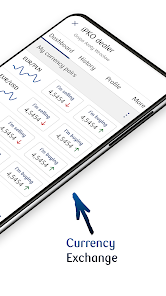
Interfejs logowania iPKO Biznes — przykład ekranów mobilnych i elementów bezpieczeństwa, użyteczny do porównania ograniczeń funkcjonalnych między aplikacją a serwisem internetowym

Jak naprawdę działa logowanie i pierwsze kroki w iPKO Biznes

Pierwsze logowanie w iPKO Biznes zaczyna się od identyfikatora klienta i hasła startowego. Mechanizm, który następuje dalej, nie jest tylko kosmetyczną procedurą: użytkownik wymusza ustawienie własnego hasła (8–16 znaków, bez polskich liter) oraz wybór obrazka bezpieczeństwa — prosty, lecz skuteczny antyphishingowy sygnał widoczny przy każdym logowaniu. Ten obrazek to przykład mechaniki prewencyjnej: jeżeli go nie widzimy, powinniśmy podejrzewać stronę lub sesję.

Drugim filarem autoryzacji jest dwuetapowość. Logowanie i zlecanie transakcji wymaga potwierdzenia przez powiadomienie push w aplikacji lub kody z tokena (mobilnego bądź sprzętowego). Ten model ogranicza skuteczność klasycznych ataków phishingowych, ale nie eliminuje ryzyk związanych z kompromitacją urządzenia mobilnego albo socjotechniką wobec operatorów tokenów.

Uprawnienia, limity i granice — narzędzie zarządzania, nie magia

iPKO Biznes daje administratorowi firmowemu szerokie możliwości: definiowanie limitów transakcyjnych, schematów akceptacji przelewów oraz blokowania dostępu z konkretnych adresów IP. Mechanizm ten jest mocnym argumentem za centralnym zarządzaniem uprawnieniami w firmach: zamiast ufać hasłom, projektujemy procesy (kto, do jakiej kwoty, w jakim układzie akceptuje płatność).

Równocześnie istnieją ważne ograniczenia: mobilna aplikacja domyślnie ogranicza pojedyncze limity do 100 000 PLN, podczas gdy serwis internetowy obsługuje do 10 000 000 PLN. To nie jest błąd — to świadoma separacja ryzyka i użyteczności. Dla firmy oznacza to: proste, szybkie operacje z poziomu telefonu, duże przelewy i prace administracyjne — z poziomu serwisu webowego. Dla księgowości i działu finansowego to sygnał do przemyślenia procedur autoryzacji i ewentualnej segregacji ról.

Integracje i gdzie system się łamie: API, ERP i sektor MSP

Dla korporacji iPKO Biznes oferuje interfejs API pozwalający na integrację z systemami ERP i automatyzację obiegu finansowo-księgowego. To mechanizm redukujący błędy ręczne i przyspieszający przepływy. Jednak w praktyce nie każdy klient MSP otrzyma pełen dostęp do tych narzędzi — pewne zaawansowane moduły i złożone raportowanie są dedykowane dla większych firm. To istotne ograniczenie: małe przedsiębiorstwo, które chciałoby całkowicie zautomatyzować rozliczenia, może napotkać barierę komercyjną lub techniczną.

Gdzie to się może „psuć”? Najczęstsze punkty tarcia to: brak standardu integracji po stronie małego dostawcy oprogramowania, koszty adaptacji API oraz bezpieczeństwo wymiany danych. Jeśli planujesz integrację, warto z mapą wymagań technicznych i planem rollback — mechanizmem przywracania poprzedniego stanu, gdy synchronizacja zaprzestanie działać.

Biała lista VAT i automatyczna weryfikacja — praktyczny mechanizm zapobiegania ryzyku

Jednym z istotnych elementów dla polskich firm jest integracja z krajowymi systemami podatkowymi: iPKO Biznes automatycznie weryfikuje rachunki kontrahentów względem białej listy podatników VAT. Mechanizm ten zmniejsza ryzyko zapłacenia na niewłaściwy rachunek i upraszcza procedurę compliance. Jednak ważne ograniczenie: automatyczna weryfikacja polega na stanie rejestrów — jeśli dane kontrahenta są nieaktualne lub dochodzi do błędu w rejestrze, system może dać fałszywe poczucie bezpieczeństwa.

Heurystyka dla praktyków: traktuj automatyczną weryfikację jako silne narzędzie pierwszego rzędu, ale utrzymuj wewnętrzne procedury podwójnej kontroli przy dużych lub nietypowych płatnościach (np. zmiana danych dostawcy, przejęcie konta itp.).

Bezpieczeństwo behawioralne: co to robi i gdzie zawodzi

iPKO Biznes wykorzystuje analizę behawioralną — tempo pisania, ruchy myszką, parametry urządzenia, adres IP — jako część oceny sesji. Mechanizm ten zwiększa odporność na typowe ataki, bo anonimowy skrypt nie będzie „wyglądał” jak normalny użytkownik. To przykład adaptacyjnego bezpieczeństwa: system zmienia wymogi autoryzacyjne w zależności od ryzyka sesji.

Granica skuteczności: takie zabezpieczenia działają dobrze przeciw przodującym automatom, ale są mniej skuteczne przeciw bardziej wyrafinowanym atakom, które mogą próbować naśladować zachowanie lub korzystać z przejętych, „czystych” urządzeń. Warto więc łączyć zachowania z silnymi, dwuetapowymi metodami autoryzacji i bezpiecznymi procedurami kadrowymi (np. rotacja tokenów, szkolenia).

Codzienna operacyjność i sytuacje wyjątkowe — co musi wiedzieć każdy użytkownik

Praktyczny scenariusz: księgowa chcąca wykonać pilny duży przelew w nocy. Jeśli próbuje to zrobić przez aplikację mobilną, napotka limit 100 000 PLN — i proces utknie. Jeśli planuje takie sytuacje, trzeba z wyprzedzeniem skonfigurować odpowiednie uprawnienia w serwisie webowym albo przygotować schemat akceptacji, który umożliwi szybką eskalację. To przykład, jak techniczny limit przekłada się na biznesowe procedury.

Inny przykład — zaplanowane prace techniczne: niedawno ogłoszono prace serwisowe, które mogą uniemożliwić dostęp w wybranym oknie nocnym. To przypomnienie, że systemy bankowe mają okna konserwacji i że decyzje o płynności powinny brać to pod uwagę. Heurystyka: zaplanuj krytyczne płatności z zapasem czasu i miej alternatywny kanał komunikacji z bankiem.

Jak podejmować decyzję: sześć-punktowa heurystyka wyboru trybu pracy w iPKO Biznes

1) Zmapuj transakcje — jaka jest najczęstsza kwota i jak często są duże przelewy? Jeśli dużo powyżej 100 000 PLN, uwzględnij konieczność pracy na webie.

2) Zdefiniuj role i limity — przypisz uprawnienia według zasady najmniejszych uprawnień; ustal schemat akceptacji dla wyjątków.

3) Przemyśl integracje — jeśli potrzebujesz ERP–bank API, zweryfikuj dostępność modułów dla Twojego segmentu (MSP vs korporacja) i koszty wdrożenia.

4) Testuj scenariusze awaryjne — regularne próby logowania, autoryzacji i odzyskiwania dostępu ujawnią słabe punkty procedur.

5) Edukuj personel — phishing i socjotechnika to wciąż główne ryzyka; obrazek bezpieczeństwa i praktyka działania przy push wymagają szkoleń.

6) Monitoruj komunikaty techniczne banku — prace planowe wpływają na płynność; uwzględniaj je w harmonogramie krytycznych płatności.

FAQ — Najczęściej zadawane pytania

Jak mogę się bezpiecznie zalogować do iPKO Biznes z zagranicy?

Mechanizm logowania jest taki sam, ale system może analizować adres IP i parametry urządzenia. Jeśli łączysz się z innego kraju, przygotuj dodatkowe potwierdzenia tożsamości (token, aplikacja) i zgłoś planowaną aktywność do administratora firmy, by uniknąć automatycznych blokad. Pamiętaj też o oficjalnych adresach logowania (np. ipkobiznes.pl dla klientów w Polsce).

Czy aplikacja mobilna wystarczy do obsługi dużej firmy?

Aplikacja jest wygodna i wspiera podstawowe funkcje (rachunki, BLIK, kantor), ale ma domyślny limit 100 000 PLN i brak pełnych funkcji administracyjnych. Dla dużych firm lub przy dużych kwotach wymagane będzie korzystanie z serwisu webowego oraz ewentualnie integracja API.

Co zrobić, jeśli obrazek bezpieczeństwa nie pojawia się przy logowaniu?

To poważny sygnał. Przed kontynuacją sprawdź dokładny adres strony, użyj zapamiętanych linków (unikaj linków z maili), a jeśli coś nadal budzi wątpliwości — przerwij i skontaktuj się z bankiem. Obrazek pełni funkcję antyphishingową i jego brak zwiększa ryzyko oszustwa.

Jak działa automatyczna weryfikacja na białej liście VAT i kiedy nie ufać wynikowi?

System porównuje rachunek kontrahenta z rejestrem podatników VAT; mechanizm redukuje ryzyko wpłaty na niewłaściwy rachunek. Nie ufać jej bezkrytycznie w sytuacjach zmian właściciela konta, błędów rejestru lub przy nietypowych transakcjach — w takich przypadkach stosuj dodatkowe potwierdzenia kontrahenta.

Na zakończenie: iPKO Biznes to nie „większe iPKO”, to system z osobną logiką bezpieczeństwa, uprawnień i integracji. Zrozumienie mechanizmów — limity mobilne, zarządzanie rolami, behawioralna analiza i weryfikacja VAT — pozwala zaprojektować procesy, które wykorzystają moc systemu i jednocześnie ograniczą jego granice. Dla decydenta biznesowego praktyczna reguła brzmi: projektuj procedury wokół ograniczeń technicznych, nie odwrotnie.

Jeżeli chcesz sprawdzić konkretne strony logowania lub przygotować dokument wewnętrzny z procedurami dla zespołu, przydatne materiały znajdziesz tu: ipko biznes.

Konto firmowe w Santander: praktyczny przewodnik do bankowości online dla przedsiębiorcy

No dobra. Zaczynamy od rzeczy prostej: konto firmowe dziś to nie tylko książeczka, to sposób na zarządzanie firmą. Hmm… brzmi oczywiście, ale wiele rzeczy w praktyce jest bardziej zawiłych niż deklaracje reklamowe.

Moje pierwsze wrażenie po pracy z kilkoma klientami było jedno — ludzie chcą prostoty. Seriously? Tak. Chcą szybkiego przelewu, jasnych opłat i pewności, że logowanie nie skończy się dramatem przy drugim kroku weryfikacji. Na szczęście Santander ma rozbudowaną ofertę dla firm, w tym narzędzia do bankowości elektronicznej, które warto poznać. Początkowo myślałem, że wszystko działa intuicyjnie, ale potem zauważyłem kilka pułapek i koniecznych ustawień, o których często się zapomina.

Kto powinien czytać dalej? Małe firmy, freelancerzy, spółki z o.o., właściciele jednoosobowych działalności gospodarczych — krótko: każdy, kto chce mieć porządek w finansach i nie marnować czasu na bankowe zagadki.

Klawisze klawiatury i ekran logowania bankowości online

Dlaczego konto firmowe online ma sens (i kiedy nie jest najlepszym wyborem)

Największe korzyści są oczywiste: wygoda, szybkość, automatyzacja księgowa. No i dostęp z każdego miejsca. Ale… nie wszystko złoto co się świeci. Jeśli twoja firma potrzebuje częstych wpłat gotówkowych albo specjalnych usług transakcyjnych, trzeba porównać oferty banków dokładnie.

Z doświadczenia: konto online sprawdza się świetnie przy fakturach, subskrypcjach i masowych przelewach. Jednak przy rozliczeniach międzynarodowych z nietypowymi walutami warto dopytać o prowizje i czas realizacji.

Jak zacząć w Santander — krok po kroku (praktyczne wskazówki)

Pierwsza rzecz: wybierz odpowiedni pakiet konta firmowego. Santander ma kilka planów, od podstawowych po bardziej rozbudowane z dodatkowymi usługami. Przyjrzyj się limitom darmowych przelewów i opłatom za kartę firmową.

Rejestracja online zwykle wygląda tak: wypełniasz wniosek, podpisujesz umowę z kurierem albo podpisem elektronicznym i aktywujesz konto. Jednak—uważaj na dane uzupełniane w pośpiechu, bo błędne NIP czy REGON potrafią opóźnić wszystko. Myślę, że to jest najczęstszy powód frustracji.

Jeśli chcesz szybko sprawdzić stronę logowania do systemu biznesowego, użyteczne może być ibiznes24 logowanie — link, który często podają przy instrukcjach, choć pamiętaj, by zawsze weryfikować adres strony banku i certyfikat bezpieczeństwa w przeglądarce.

Bezpieczeństwo — nie negocjuj tego

Kilka praktycznych zasad:

  • Hasła silne i unikalne — nie używaj jednego hasła do wielu usług.
  • Włącz uwierzytelnianie dwuskładnikowe (2FA) — SMSy są ok, ale aplikacje autoryzujące są lepsze.
  • Uważaj na linki w mailach i SMS — phishing to nadal najczęstsza metoda.
  • Aktualizuj oprogramowanie bankowości mobilnej — łatka bezpieczeństwa bywa kluczowa.

Moja intuicja mówiła mi od początku, że największy błąd to bagatelizowanie powiadomień o podejrzanej aktywności. Początkowo myślałem, że to fałszywy alarm, ale potem zrozumiałem, że szybka reakcja może uratować firmę przed stratą. Także — reaguj szybko.

Funkcje bankowości online, które warto znać

Systemy dla firm w Santander oferują zwykle:

  • Przelewy jednorazowe i hurtowe (np. masowe przelewy dla ZUS/US).
  • Integracja z oprogramowaniem księgowym — ogromna oszczędność czasu.
  • Możliwość nadawania uprawnień pracownikom — podział obowiązków finansowych.
  • Wielowalutowość i zarządzanie kartami firmowymi.
  • Raporty płatności, przypomnienia, eksport danych do Excel/CSV.

Niektóre funkcje bywają ukryte: automatyczne reguły księgowe, harmonogramy płatności, czy możliwość ustawienia autoryzacji transakcji przez dwóch pracowników. Te rzeczy ratują dzień, gdy masz 50 faktur do opłacenia.

Koszty — co zwykle warto sprawdzić

Opłaty to nie tylko miesięczna prowizja. Sprawdź:

  • Prowizje od przelewów krajowych i zagranicznych,
  • koszty obsługi kart płatniczych i wypłat z bankomatów,
  • opłaty za przelewy ekspresowe (real-time),
  • opłaty za dodatkowe autoryzacje i nadawanie uprawnień.

Często banki mają promocje — np. pierwsze 12 miesięcy bez opłat — ale po promocji cena może zmienić się znacząco. Zwróć uwagę na warunki po zakończeniu promocji, bo to tam czai się niespodzianka.

Typowe problemy i jak je rozwiązać

Problem: Nie mogę się zalogować — często to prosty błąd hasła albo zablokowane konto po kilku nieudanych próbach. Rozwiązanie: użyj opcji resetu lub zadzwoń na infolinię.

Problem: Przelew nie zrealizowany w terminie — powód: zła data waluty, limit dzienny lub błąd w danych odbiorcy. Rozwiązanie: sprawdź szczegóły przelewu i skontaktuj się z bankiem.

Problem: Długie oczekiwanie na pomoc — bywa frustrujące. Mój prosty tip: miej przygotowane ID firmy i numer klienta przed dzwonieniem, to skróci czas obsługi.

FAQ — najczęściej zadawane pytania

1. Czy mogę założyć konto firmowe całkowicie online?

Tak, w większości przypadków można. Niemniej niektóre formy działalności lub specyficzne warunki mogą wymagać wizyty kuriera lub złożenia dodatkowych dokumentów.

2. Jak długo trwa aktywacja konta?

Od kilku godzin do kilku dni, zależnie od metody weryfikacji i kompletności dokumentów. Jeśli wszystko jest poprawnie wypełnione, to zwykle szybciej.

3. Czy bankowość mobilna jest bezpieczna?

Tak, pod warunkiem stosowania podstawowych zasad bezpieczeństwa: aktualizacje, silne hasła, 2FA i ostrożność wobec nieznanych linków.

Na koniec — mała dygresja (oh, i by the way…) — wybór banku to nie wyrok na całe życie. Możesz zmienić konto firmowe, przenieść i porównać, ale rób to z głową, zwracając uwagę na koszty administracyjne i czas migracji. Jestem trochę uprzedzony do nadmiernej biurokracji, więc jeśli możesz automatyzować rachunki i faktury — rób to od razu.

Powodzenia z Twoim kontem firmowym. Jeśli chcesz, mogę pomóc uporządkować listę pytań do banku przed otwarciem konta — nie ma sprawy, napiszę to z przyjemnością.

Balancing Act: Asset Allocation, Stable Pools, and veBAL — A Practical Guide for DeFi Builders

Whoa! I remember the first time I tried to size a custom liquidity pool—my gut said keep it simple. Really? Yes. My instinct said: favor stable assets for yield stability, but my head kept whispering about impermanent loss and long-term governance incentives. Here’s the thing. Balancer’s model forces you to reconcile those instincts with tokenomics that reward lockups and active strategy choices, and that tension is where the interesting decisions live.

Okay, so check this out—asset allocation in custom pools isn’t just picking tokens and slapping them together. You need to think about correlation, volatility, and trading volume. Medium volatility pairs behave differently than stable-stable pairs, obviously. On one hand, volatile pairs can earn more in fees. On the other hand, they expose LPs to more impermanent loss over time.

Initially I thought you could optimize for both fee income and low IL easily, but then I saw real pool histories and got humbled. Actually, wait—let me rephrase that: I underestimated how much trade flow pattern matters. If traders are routing large trades through your pool, that changes everything about expected returns. So you design not only for static allocation but for expected routing behavior and slippage sensitivity.

Here’s my practical split for many setups: stable-stable pools for yield farmers who want low volatility and predictable returns, mixed pools (stable + volatile) for balanced exposure, and concentrated or multi-token pools for active strategies. Hmm… that sounds tidy, but it’s rarely tidy in practice. Liquidity depth, fee tier, and token weighting all interact in non-linear ways, so you need to iterate and monitor.

Something felt off about one-size-fits-all advice. Most guides say “use stable pools for yield” like it’s gospel. I’m biased, but that part bugs me. The real nuance comes when you layer in veBAL tokenomics, which tilt incentives toward long-term liquidity and governance participation. That tilt changes how you should allocate assets and design fee structures.

A schematic showing stable pool vs mixed pool behavior under trade pressure

Stable Pools: Why they matter and how to size them

Stable pools are the bedrock of many DeFi strategies because they offer low slippage for trades between pegged assets, and they attract steady swap volume. They’re great for capturing arbitrage and route fees when stablecoins dominate on-chain activity. My approach is to size stable pools to absorb expected routing volume without leaving too much idle capital. On the other hand, you don’t want to over-capitalize a pool that never gets routed through—capital efficiency matters. If your pool is too shallow, even modest trades will suffer, and LP returns will be volatile and unattractive.

For many US-based traders and protocols, USDC/USDT pools remain primary liquidity sinks. But watch out: regulatory and protocol-level changes can shift that landscape quickly. Something to keep in mind: stable pools with dynamic weights can better handle sudden demand shifts, though they add management complexity. (Oh, and by the way…) balance your gas strategy with fee tiers; sometimes a slightly higher fee reduces churn and helps long-term LPs.

My instinct said “split evenly,” but actual pool success often comes from tailoring weights. For example, a 70/30 weight might favor the more trusted stablecoin to reduce slippage for the majority of trades, while a 50/50 pool might be more fair to arbitrageurs. On some chains, you’ll want to set higher fees to discourage front-running sandwich attacks, though that can reduce swap volume. Trade-offs are everywhere.

Mixing Volatile Assets: Opportunities and dangers

Volatile asset pools can be lucrative, but they demand vigilance. Fee income can be large, but IL compounds during price divergence. I learned this the hard way during a sideways market where fees couldn’t offset repeated rebalancing loss. Seriously? Yes—fees are not a guaranteed hedge. Consider concentrated liquidity or asymmetrical weights to control exposure levels. Long, careful monitoring and automated rebalancing rules are allies here.

Design patterns I recommend: limit token count to reduce correlational complexity, set conservative weight changes, and consider using derivative or wrapped positions to cushion volatility. On the other hand, novel token listings sometimes create short-term surges that make higher-risk pools attractive—if you can exit quickly and safely. My tradecraft usually includes watchlists, and sometimes I add a little somethin’ extra liquidity during anticipated events.

One more practical point: routing incentives matter. If your pool is unlikely to be in the cheapest route, it will not see volume, no matter how well designed. That means thinking beyond just pair design—consider cross-pool arbitrage paths and fee parity with comparable pools. If trades bypass you, your asset allocation theory never gets tested.

veBAL Tokenomics: Aligning incentives for the long run

veBAL is a governance and ve(locked) incentive model that rewards users who lock BAL for governance power and boosted rewards. It nudges LPs toward time-preference alignment—longer locks equal more reward. On one hand, that’s elegant social game theory. On the other hand, it reduces liquidity flexibility for individual participants, which changes pool behavior. Initially I thought ve models only affected token holders, but the second-order effects hit LP design hard.

Locking BAL can significantly increase effective APR for LPs in rewarded pools, which in turn attracts deeper, more stable liquidity. But beware: if a large portion of liquidity is locked behind ve incentives, sudden policy changes in governance can create concentrated systemic risks. I’m not 100% sure how this will play out in the long tail of DeFi, but it’s a material consideration when architecting pools and external incentives.

From the builder’s perspective, you can use veBAL-aligned rewards to encourage desired behaviors—like providing liquidity to stable pools or maintaining balanced weights. That gives you leverage to engineer better outcomes. Just make sure your incentive schedule aligns with expected trade cycles, and avoid perverse incentives that reward short-term concentration of capital.

Putting it together: a pragmatic checklist

Start with your target user and routing expectations. Next, choose asset mix and weights that match expected trade flow. Then layer fee tiers and governance incentives like veBAL to nudge behavior. Monitor on-chain metrics and be ready to tweak in response to actual routing patterns. Oh, and keep a plan for exit liquidity and emergency governance votes…

Also: diversify across pool types rather than over-allocating to one strategy. Consider creating paired pools—one stable-focused, one mixed—to capture different trader segments. My rule of thumb is to model three scenarios: low, medium, and high volume, then stress-test for slippage and IL. If your worst-case still looks survivable, you’re probably in a reasonable spot.

For a deeper look at Balancer’s current features and how they embed these incentives, check this resource here. It’ll give you grounded details on pool customization, fee parameters, and veBAL mechanics as implemented. Use it as a starting point, not a blueprint—protocols change fast.

FAQ

How should I split capital between stable and volatile pools?

There’s no universal answer. A conservative DeFi LP might allocate 60–80% to stable pools and the remainder to higher-fee volatile pools. Active strategies can flip that, but only with automated risk controls. Consider your time horizon, need for withdrawal flexibility, and whether veBAL-style incentives favor your chosen pools.

Does locking BAL for veBAL always make sense?

Locking increases governance power and can boost rewards, but it reduces liquidity flexibility. If you expect governance to steer rewards toward your pools and you can tolerate lock durations, it’s worthwhile. If you need nimbleness or worry about governance risk, stay cautious. I’m biased toward alignment, but I also keep some BAL free for opportunistic moves.

Why Phantom Wallet Extension Is the Easiest Way to Hold Solana and NFTs

I remember the first time I tried to move an NFT on Solana — my palms sweaty, a dozen tabs open, and that tiny worry: did I pick the right wallet? The short answer: if you want simplicity without sacrificing features, the phantom wallet extension is where most folks land. Seriously — it just feels like the browser-native piece that finally understands how people actually use crypto, not how academic papers think they should.

Okay, quick reality check. Phantom is a browser extension wallet built for Solana. It handles tokens, NFTs, staking, swaps, and connects to dApps with a click. For many users, that means fewer mistakes, faster approvals, and a more intuitive flow when buying or showing off NFTs. But like anything, it has trade-offs. We’ll walk through the good, the quirks, and practical tips so you don’t learn the hard way.

First impressions matter. Phantom’s UI is clean and friendly, which removes friction when you’re trying to sign a transaction quickly — say during a mint drop or when flipping a rare NFT. That ease is why artists, collectors, and traders gravitate toward it. Still, user experience alone doesn’t make a wallet trustworthy; the underlying design choices and security practices do.

Phantom wallet extension interface showing NFT collection preview

What Phantom Does Well

Phantom nails the basics: secure local private key storage, seed phrase backup, and straightforward dApp connections. If you’re used to Metamask on Ethereum, the mental model maps over nicely but optimized for Solana’s speed and low fees. My favorite part? The NFT gallery. It renders artwork quickly, gives metadata context, and generally makes collections feel personal instead of just a raw token list.

Transactions are fast. Fees are tiny. And when you authorize a site to connect, Phantom shows clear permission prompts — which cuts down on accidental approvals. That matters. A single careless click can be costly, and the extension’s prompts nudge you to pause. I’m biased, sure — I use it daily — but the UX decisions consistently reduce the dumb mistakes people make.

Security: What You Should Know

Phantom stores your private keys locally, encrypted by your wallet password. That means the extension itself doesn’t hold your funds. Good. But local storage also means your machine’s security matters: a compromised device equals compromised keys. So use a hardware wallet for serious holdings whenever possible.

Also — and this can’t be overstated — always verify the URL of dApps you connect to. Phishing clones are common. If a mint page asks you to connect and sign something unusual, pause. Check the contract address, cross-reference Twitter/Discord, and consider a tiny test transaction first. It sounds tedious, I know, but that pause has saved me from sketchy contracts more than once.

Installing and Getting Started

Download the extension for Chrome, Brave, or other Chromium-based browsers, then create a new wallet or import an existing seed phrase. During setup, write down the seed phrase on paper, store it in a safe place, and never share it. Phantom will ask you to confirm the phrase — that’s normal. After setup, you can send SOL, receive tokens, and browse NFT collections right away.

If you want to minimize risk, consider using a hardware wallet like a Ledger in tandem with Phantom. That way, the extension still manages the UX while the private key signing happens on a separate device. It’s a slightly more cumbersome flow but worth it for high-value collections.

Using Phantom for NFTs

Phantom’s NFT gallery groups your collectibles and supports many common metadata standards. You can inspect token metadata, view creators, and open links back to the original mint page. For collectors, that contextual detail helps when verifying provenance. Oh, and when flipping NFTs or participating in drops, enable notifications and keep the extension up-to-date — updates often patch UX annoyances and security fixes.

One practical tip: when minting, keep a small reserve of SOL for unexpected fees or retries. Minting interfaces sometimes reroute transactions, and having that tiny cushion avoids failed transactions at crucial moments. Also, if something looks off — like a prompt to approve unlimited token transfers — decline and investigate. Phantom will show the approval scope; check it closely.

Common Issues and Fixes

Sometimes the extension fails to connect. Usually that’s due to a cached state or a conflicting extension. Try locking and unlocking the wallet first. Then refresh the dApp page. If that doesn’t help, restart the browser. Clearing cache is a last resort. If metadata doesn’t load for NFTs, it could be an IPFS gateway hiccup — try another gateway or wait a few minutes.

And yes, recovery is manual: if you lose your seed phrase or device, the only recovery method is that seed phrase. No one can restore your account for you. Phantom can’t. So backup diligently.

Where Phantom Fits in Your Toolkit

Use Phantom as your go-to browser wallet for daily Solana interactions — browsing marketplaces, quick swaps, or interacting with social dApps. For larger, long-term holdings, pair Phantom with a hardware wallet. For experimenting, set up a secondary Phantom wallet with low funds so you don’t risk your main stash while testing new dApps.

If you haven’t installed it yet and want a straightforward place to start, try the official phantom wallet extension download page — it’s the easiest route to the extension and setup guidance: phantom wallet extension.

FAQ

Is Phantom free to use?

Yes. Creating and using a Phantom wallet is free. You do, however, pay Solana network fees for transactions, which are generally very low.

Can I recover my wallet if I lose my device?

Only with your seed phrase. Phantom cannot recover your wallet for you. Keep the phrase written and stored securely offline.

Is Phantom safe for NFTs?

It’s suitable for everyday NFT use, but for high-value assets, use it alongside a hardware wallet. Always verify dApp URLs and approval scopes before signing transactions.

Why Verifying Smart Contracts on BNB Chain Actually Matters (and How I Check Them)

Whoa! I was poking around BNB Chain last night, curious about verification and user behavior. Initially I thought it was just a UX issue, but then realized many people don’t grasp what an unverified contract really means. My instinct said: verify before you interact with contracts. Honestly, I’m biased—I’ve spent too many evenings tracing txs and reading bytecode, so this part bugs me.

Seriously? Verification isn’t merely a checkbox for nerds; it’s a transparency layer that maps readable code to the deployed bytecode. On one hand it gives you direct evidence of intent. On the other hand, folks still paste addresses from chats and click without looking, and then funds disappear—it’s maddening. My gut said people rush and trust too fast.

Hmm… A quick checklist I run: open the transaction, inspect token transfers, then open the contract page to see if the source is verified. If verified, you can cross-check functions and constructor parameters against what’s happening in the tx logs. Initially I thought viewing tx history alone was enough, but actually you need to read logs and internal transactions too. If it’s not verified, treat the contract like a lockbox with a hole in it. Don’t assume anything—verify.

Okay, so check this out—start on the transaction details page and look for the contract address and the verification badge. That little green checkmark distinguishes human-readable Solidity from raw bytecode, which is practically useless for intent-checking. Then inspect the ‘BEP20 Token Transfers’ and internal transactions tabs to see real movement. Also glance at events; they often reveal actions the UI hides.

I’ll be honest, somethin’ bugs me about lazy verification practices. Many projects verify only after launch, or they flatten files strangely so verification looks green while hiding logic. Actually, wait—let me rephrase that: some teams publish flattened or modified files which can mask subtle, risky changes. Look for constructor args, linked libraries, and compiler version mismatches; those small details matter. If you see a mismatch, pause.

Screenshot of a transaction page showing a verified contract badge and token transfers

Practical walkthrough: using an explorer and what to look for

Practical steps that I use often. Open a transaction, check the ‘To’ field, click the contract address, and then look for the verification badge on the contract page. If you want a quick jump, go to the bscscan blockchain explorer to paste an address, read the source, and compare functions to the txs you’re analyzing. Watch for approve() calls, routers, and proxy patterns; those show where tokens can be moved or approvals siphoned. Seriously, don’t skip the bytecode vs source comparison if you can.

Whoa, proxies are a trap. When a contract uses an upgradeable proxy pattern, the logic often lives at a separate implementation address and verification can be split across contracts. Initially I thought proxies made audits unnecessary, but then realized proxies actually increase scrutiny needs because admin keys can change logic post-deploy. Check proxy admin calls and find the implementation address, then verify both pieces of code. If you can’t find an implementation, step back.

Here’s the thing. Large concentrated token holdings right after launch are classic rug-risk signals. On one hand, a locked liquidity pool suggests maturity; on the other hand, a huge owner balance combined with transfer restrictions is suspicious—though actually you need to inspect code for things like blacklist functions or transfer hooks. Look at holder distribution, vesting schedules (if present), and who controls the keys. Don’t assume liquidity equals safety.

Hmm… Events are the breadcrumbs smart contracts leave behind. Transfer and Approval logs are often the clearest trace of on-chain movement, so always decode event parameters when you can. I used to ignore internal transactions, but later found them essential for spotting stealthy movements through routers, wrappers, or staking contracts. Use the ‘Event Logs’ tab and check for indexed params to identify actors. Pay attention to approval amounts too, very very important.

Okay, a quick technical aside. Exact compiler versions and optimization settings matter for verification; even tiny mismatches cause a verification failure. Many devs flatten or tweak files to force a verification match, which can be legitimate but sometimes masks injected snippets or renamed functions. Prefer multi-file verification when supported and cross-check constructor bytecode against deployed init code. If somethin’ doesn’t line up, ask questions.

I’m biased toward manual checks. Automated scanners and bot reports are helpful, but they miss context and generate false alarms and misses. So I combine explorer checks with reading the project’s GitHub, checking tagged releases, and seeing whether the on-chain code matches repo snapshots—it’s tedious but it works. Community audits and verified third-party audits add credibility, though audit quality varies a lot. Don’t blindly trust an audit statement; read the scope.

Seriously? If you’re swapping a newly minted BEP20 token, do a tiny test swap first and watch approvals and slippage. On one hand you gain speed and convenience, though actually small tests let you observe approvals and token behavior without risking much. Use allowance revokes if an approval looks excessive, and consider a hardware wallet for larger amounts. Be cautious, always.

Whoa, here’s a reality check: education beats panic. At first I thought a single tutorial would fix things, but then realized habits take months to shift and explorers are only tools—powerful ones—that need user context. On one hand you can blame lazy devs, but on the other hand users must build checking habits; it’s a shared responsibility. So yeah, verify, read logs, and keep your guard up…

FAQ

How do I quickly verify a smart contract before interacting?

Here’s the quick method. Find the contract address from the transaction, open the contract tab, and check for a verified source badge. Compare the verified source to on-chain bytecode, check compiler version and optimization settings, and review constructor args and library links—those are the trust anchors. Also inspect token transfers, approvals, and holder concentration for non-code red flags. If somethin’ smells off, pause and ask the devs or the community.

