
Wow! Crypto keys are small but the consequences of losing them are enormous. I was skeptical about card wallets at first, honestly. Initially I thought a phone app and a metal backup were enough, but then realized mobile devices fail, metal plates get lost, and human error is far more common than we like to admit. So here’s the thing—NFC-enabled crypto cards pack private keys into a tiny, durable, and offline form factor that fits a wallet or a pocket-sized case.
Seriously? They look like credit cards, yet they act like vaults. My first tangem wallet was a curiosity purchase from someone at a meetup; somethin’ about it stuck. That surprise moment—tapping the card to my phone and watching a secure wallet prompt appear—felt futuristic and oddly comforting in a way that software-only solutions rarely do. On one hand it felt theatrical; on the other hand it solved a real problem I wasn’t addressing properly with seed phrases stored on pieces of paper or in password managers.
Whoa! NFC cards combine two big benefits: air-gapped key storage and physical portability. They also force you to think about custody in a more tactile way. Initially I worried about single-point failures—what if the card is damaged, or if the NFC chip dies—and so I experimented with multiple cards, multisig setups, and redundant backups to test real-world reliability. Actually, wait—let me rephrase that: redundancy matters, though too many copies creates more attack surface if you don’t handle them smartly.
Here’s the thing. A lot of people assume “hardware wallet” means a dongle or a cold storage device you plug in. Card wallets flip that script by using a contactless interface, often with zero-exposure signing, which keeps keys from ever leaving the secure element. On the analytical side that means transactions can be authorized by the card independently while your phone acts only as a dumb relay, which reduces attack vectors and simplifies the UX for many users. My instincts about convenience had to be balanced against the cryptographic guarantees—so I dug into the specs, read whitepapers, and compared firmware update models across vendors.
Hmm… Not all cards are created equal. Some use secure elements certified to high standards, others rely on less-proven designs. If you’re buying a card for long-term custody, check for things like secure element certification, reproducible firmware updates, and a clear recovery story from the vendor, because those details determine whether your keys are safe over years or decades. What bugs me about the market is the marketing hype that glosses over these technical trade-offs while promising “bank-grade security” like it’s a badge rather than a complex guarantee.
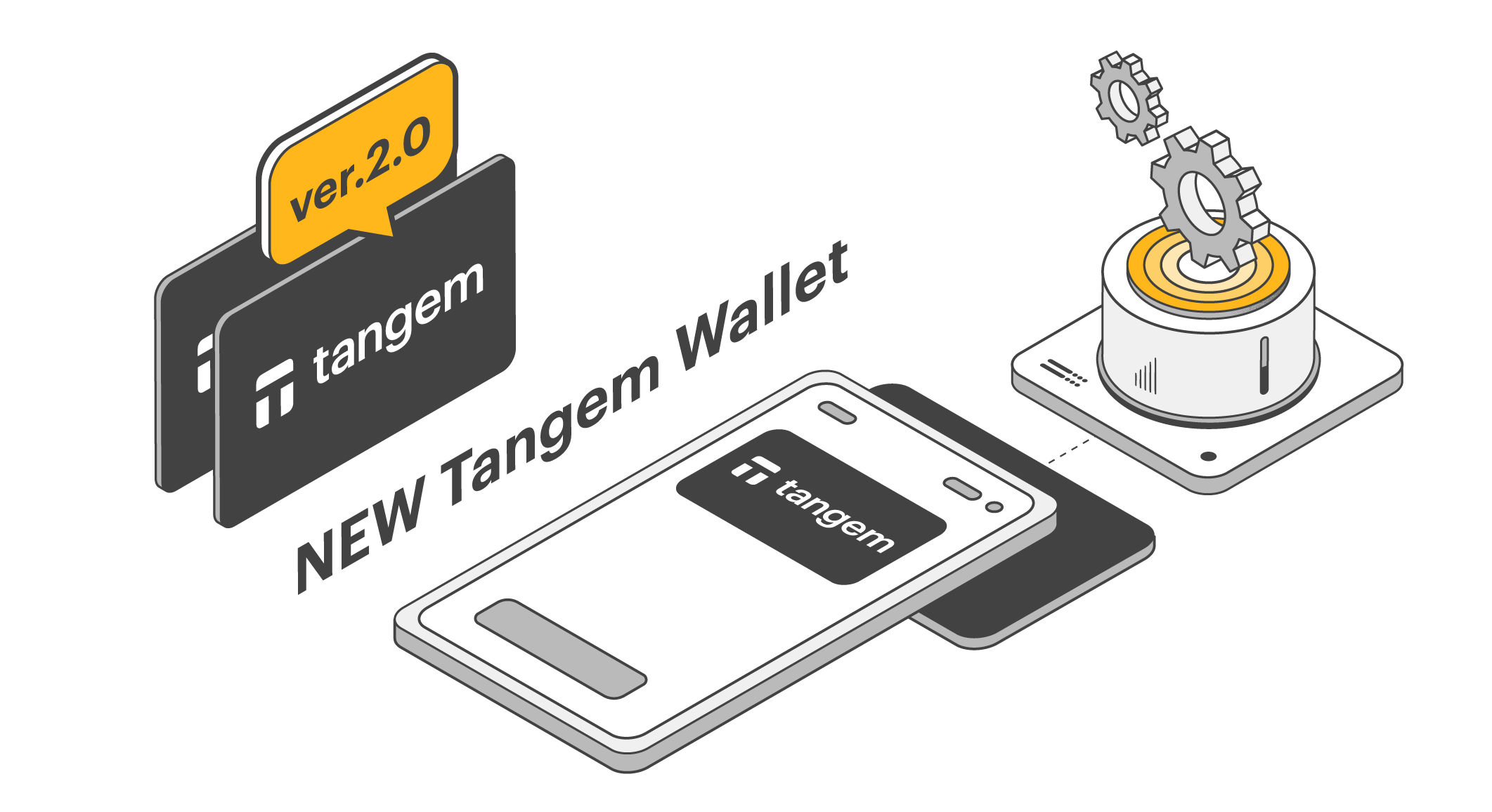
Okay, so check this out— Tangem was one of the early movers and their story is useful context when you shop. I don’t want to sound like a salesperson, I’m biased, but I appreciate how their approach balances user experience with solid hardware design. It takes a lot to make key custody feel intuitive, and they focused on that without completely sacrificing security. Hands-on testing helped me see where the UX helped prevent mistakes and where it could lull users into complacency.
How I evaluate card wallets before buying
I’ve tracked vendors for years, and if you want one clear starting point check the official pages for specs and recovery models at tangem wallet to compare how they document hardware and recovery procedures. Read the certs, and then go read community notes about firmware updates and customer support responsiveness—support is often the unsung security feature. Finally, test with tiny amounts before committing larger balances, because practice prevents expensive mistakes.
Really? There’s also the question of recovery flow. Some cards give you a recovery code or let you create copies, some integrate with multisignature, and others expect you to handle seed backups offline. On one hand multisig with multiple cards spreads risk and avoids single points of failure, though actually it introduces more operational complexity and cost which might scare casual users away if not well explained. Initially I thought multisig was overkill for small balances, but after running tabletop exercises and loss simulations I changed my mind for certain threat models.
Wow! Durability is real-world important. I’ve seen cards scratched, bent, left in a jacket, and still they worked. That resilience comes from industrial design choices—sealed chips, epoxy layers, and simple form factors that minimize mechanical failure modes while staying thin enough to slip into a wallet. But if you live near the beach or work in heavy industry, think about environmental factors like salt corrosion or heat, and plan backups accordingly.
Seriously? Privacy is another angle. Contactless wakes up nearby NFC readers, though most card wallets require deliberate tap-and-confirm actions so accidental leaking is unlikely. Despite that, I advise people to treat cards like any other sensitive device: separate them from your day-to-day tap cards, have a secure storage spot, and keep an inventory of serial numbers and backups in case you need to revoke or recover. I’m not 100% sure about every vendor’s privacy model, so validate assumptions and test in a low-risk environment before moving significant funds.
Okay. Cost matters too. Cards are often cheaper than full hardware wallets and can be produced at scale while still offering strong security properties. For a lot of users, that makes card wallets the best trade-off between cost, convenience, and custodial safety, especially when paired with good operational practices like using multisig and cold storage for large amounts. The final piece is ergonomics—you need a workflow you will actually follow for years, otherwise the best cryptography in the world won’t protect you if you forget how you stored your assets.
Here’s what I recommend. Start small and practice recovery. Buy one card, set it up with a small amount, then practice full recovery steps until the flow is muscle memory—this is very very important. On a strategic level, map your threat model: are you protecting against casual theft, targeted hacks, or catastrophic loss during natural disasters, because each scenario demands a different mix of redundancy, geographic separation, and recovery procedures. I’ll be honest—this part bugs me, because many users skip the planning and then scramble when things go sideways.
So? A card-based NFC hardware wallet isn’t magic, but it’s a pragmatic tool that makes strong security accessible. It reduces cognitive load, encourages physical custody practices, and can integrate into multisig setups that mirror institutional security at a consumer price point. If you are comfortable with a little operational discipline—secure storage, backups, and periodic checks—cards can be an elegant foundation for long-term crypto custody that doesn’t require being a developer or a sysadmin. There are trade-offs, there’s no silver bullet, and I’ll keep testing and refining my own setup as threats and technology evolve…
Frequently asked questions
Are NFC cards as secure as other hardware wallets?
They can be. Security hinges on the secure element and the vendor’s firmware and update model. For many users, a certified secure element and a careful operational procedure (backups, storage, redundancy) will be as protective as a dongle-based wallet, while offering better convenience.
What happens if the card is physically damaged?
That depends on your recovery plan. If you created a single backup or a multisig with another device, you can recover access; if not, the keys might be gone. Always test recovery before trusting a card with significant funds.
Should beginners use multisig?
Not immediately. Start with a single card, practice recovery, and once comfortable evaluate multisig for larger holdings. Multisig reduces single-point risks but adds complexity, so only adopt it when you can maintain the operational discipline required.