
Honestly, I was mid-checkout on a DEX when my wallet went quiet and my heart skipped. Wow! The UI showed pending, then nothing, and my first gut reaction was panic. My instinct said: somethin’ is off with the transaction lifecycle here. Initially I thought the problem was my RPC node, but then I realized the explorer view mattered more for debugging deep dives that day.
Okay, so check this out—Really? I promised myself I’d write this down because the pattern repeats. Medium-level confusion becomes full-on mystery when token transfers, memos, or program logs hide behind terse hashes. On one hand you get a clean timestamp and a balance change; on the other hand sometimes there’s no token metadata visible, which is maddening though fixable.
Here’s the thing. I use a token tracker every day to follow on-chain flow and to confirm where funds actually landed. A good tracker shows token mint transfers, decimals, and SPL token balance deltas so you don’t misread raw lamports. My instinct said “use a visual timeline”, and that saved me from a very very embarrassing mistake last month.
When things go sideways on Solana, the first move is to pull up transaction details. Seriously? You’d be surprised how often people stop after the signature confirmation and assume the rest. If you want to know whether a swap executed, whether fees were taken, or whether a program failed gracefully, the logs are your friend and the token transfer entries are the map. On-chain is unforgiving but transparent if you know where to look.
Check this out—there’s an emotional satisfaction in seeing each SPL token hop from address to address. Hmm… I like maps and ledger trails; call me nerdy. The best explorers let you filter by token mint and show token holder snapshots across slots, which helps when you’re tracking airdrops or rug investigations. Long-form tracing, with program log expansion and decoded instructions, makes complex flows readable without guesswork (and without copying hex into a decoder every time).
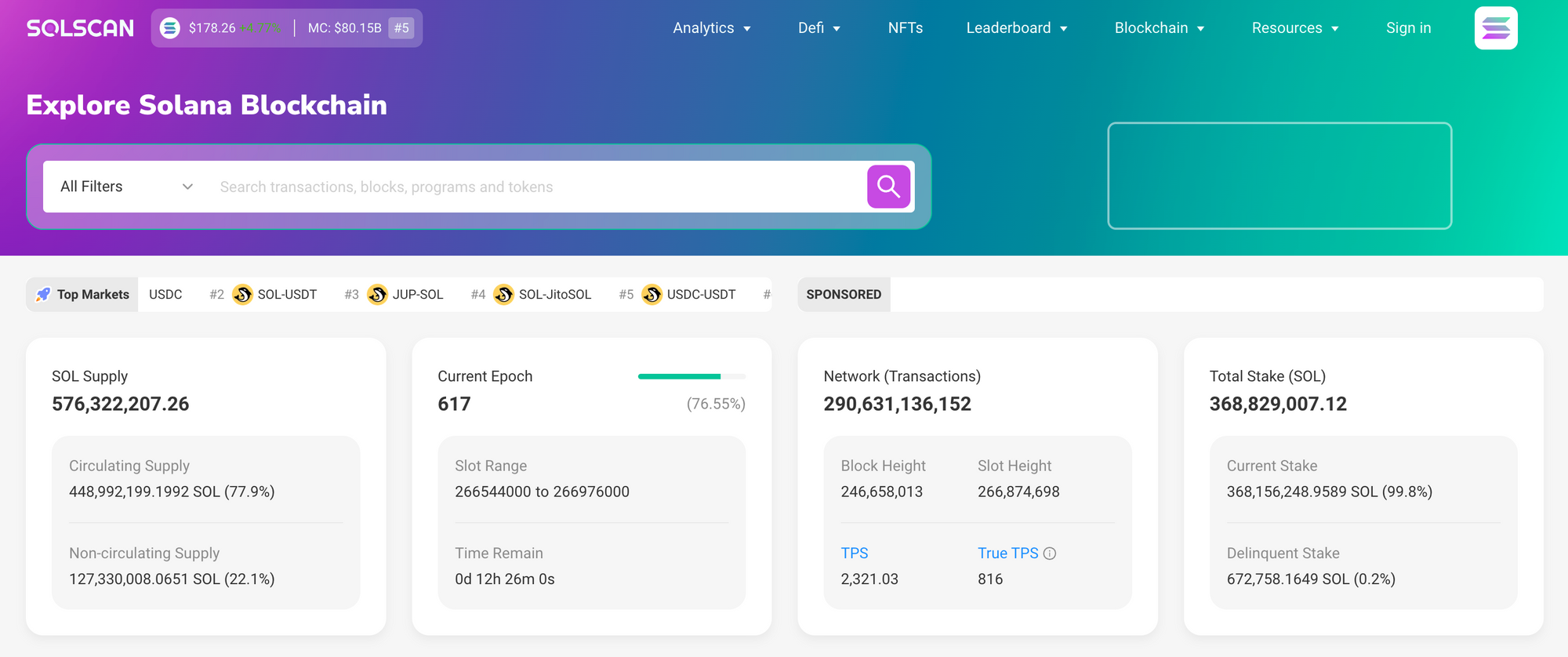
Why I Recommend solscan for Token Tracking and Sol Transactions
I’ll be honest: I have biases. My day job made me picky about explorer UX and data fidelity. solscan scratches most of my itches by combining a clear token tracker, decoded transaction instructions, and fast search across addresses and mints. The token pages list holders, transfers, and a compact history so you can spot unusual movements quickly, and that is really what separates casual lookups from real investigative work.
On the surface you get timestamps and fee breakdowns. Wow! If you click deeper you get program instruction decoding and inner log entries that show CPI calls and returned errors. A medium complexity swap often involves multiple program invocations, and without CPI visibility you might miss a failed step that rolled back state but still reported lamport churns. My experience showed that solscan’s approach reduced the number of false alarms I had to investigate by half.
One thing bugs me about many explorers. Really? They lose the token context when a transaction touches wrapped SOL or uses intermediary vault programs. The result is a list of lamport changes that requires mental accounting to map back to token amounts, which is tedious and error-prone. Good token trackers normalize amounts to token decimals and show both pre- and post-balances so you can trust what you see.
Here’s the tight workflow I follow when auditing a questionable transfer: copy the tx signature, paste it into the explorer, expand inner instructions, read the program logs, and then switch to the token mint page to verify holder changes. My brain likes repetition, and structured steps keep me from missing small details. Actually, wait—let me rephrase that: I sometimes jump ahead and miss a subtle failed CPI, so I go back and re-run the steps slowly.
For devs and power users I also use program-specific tabs to inspect parsed instruction data, accounts by role, and rent-exemption impacts. Hmm… parsing raw account bytes is not fun, though program-specific decoders make it manageable. When I’m debugging a custom program I watch both the transaction view and the account state diffs across slots; seeing how a token account’s lamports and data length changed is satisfying in a nerdy way.
One practical tip: when a swap uses wrapped SOL, follow the WSOL token mint and not just the native lamports. Wow! That small shift in perspective prevents a lot of head-scratching. If a memo is attached to the transaction, read it — sometimes projects write helpful notes in plain text and other times it’s spam, but either way it’s context. My instinct says the more context you gather early, the less time you waste hunting down phantom transfers.
On the tooling side, export features matter. Seriously? Being able to grab CSVs of token transfers or holder snapshots is essential when you must collate evidence or cross-check wallets. For governance or compliance tasks I build quick spreadsheets from those exports, annotate suspicious addresses, and then trace token flows across known clusters. The manual work feels old-school but it’s robust.
Wow! When you know what to look for, sol transactions tell a story. Medium complexity transactions often reveal nested calls, fee payers, and temporary accounts that vanish after the slot, and recognizing those patterns saves time. On one hand you have automated monitors that flag large transfers, though actually human review still catches contextual anomalies that bots miss. I’m biased toward tools that make human review faster, not harder.
FAQ
How do I confirm a token transfer succeeded on Solana?
First, locate the transaction signature and paste it into your explorer of choice. Wow! Then expand inner instructions and program logs to see whether the invoked programs returned success or error codes. Look at the token transfer entries for the SPL mint to confirm pre- and post-balances; if decimals differ, calculate the human-readable amount. If anything still looks off, check the token’s holder page for the recent transfer list to corroborate the change.
What’s the quickest way to trace airdropped tokens or suspicious balances?
Start at the token mint page and review the recent holders table to see large incoming amounts. Here’s the thing. Click into the wallet with the suspicious balance and scan its transaction history for token-related entries and memos. Export transfers if you need to cross-reference multiple addresses, and follow CPI chains to see whether intermediary programs created or moved token accounts. I’m not 100% perfect at this every time, but this routine catches most oddities.